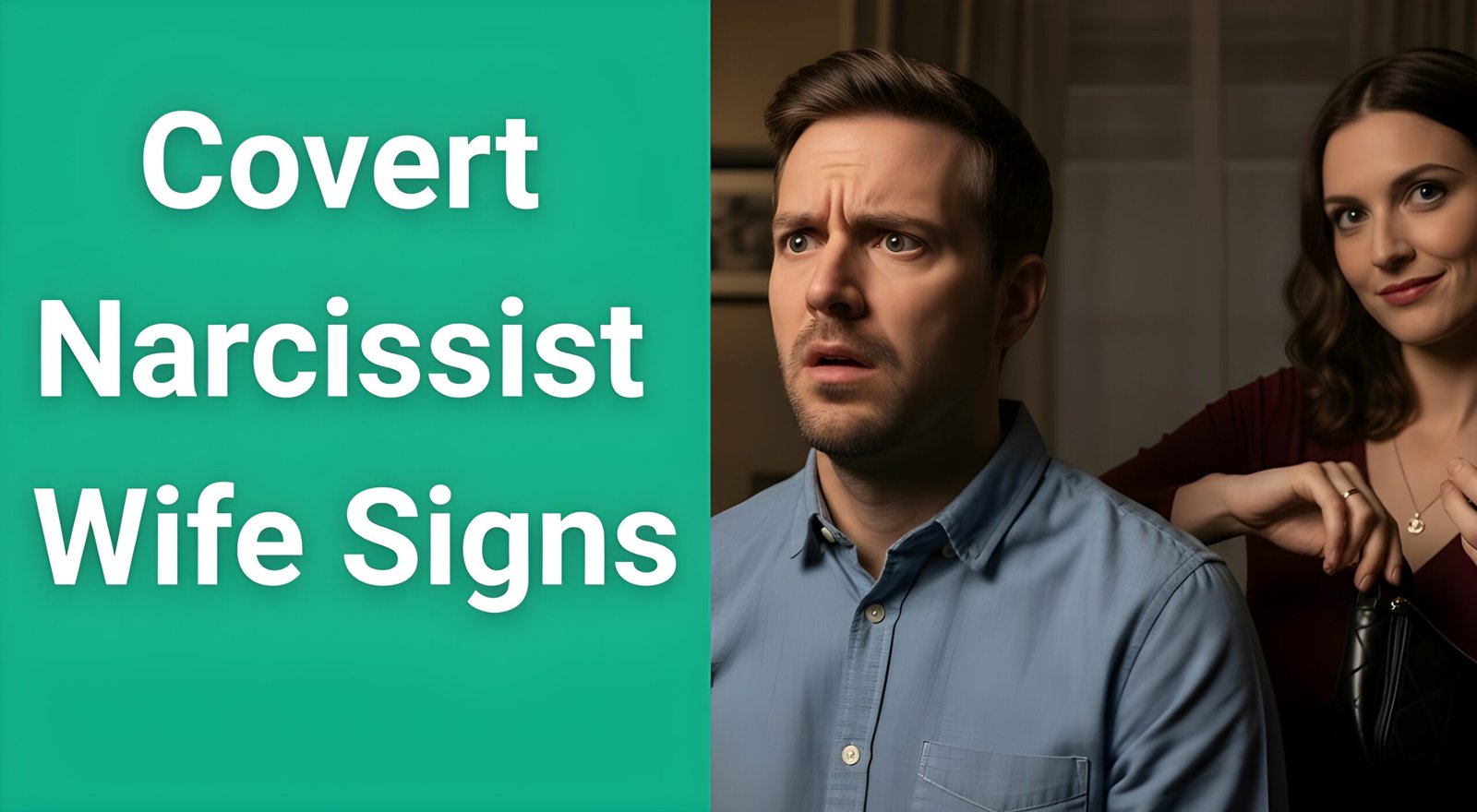

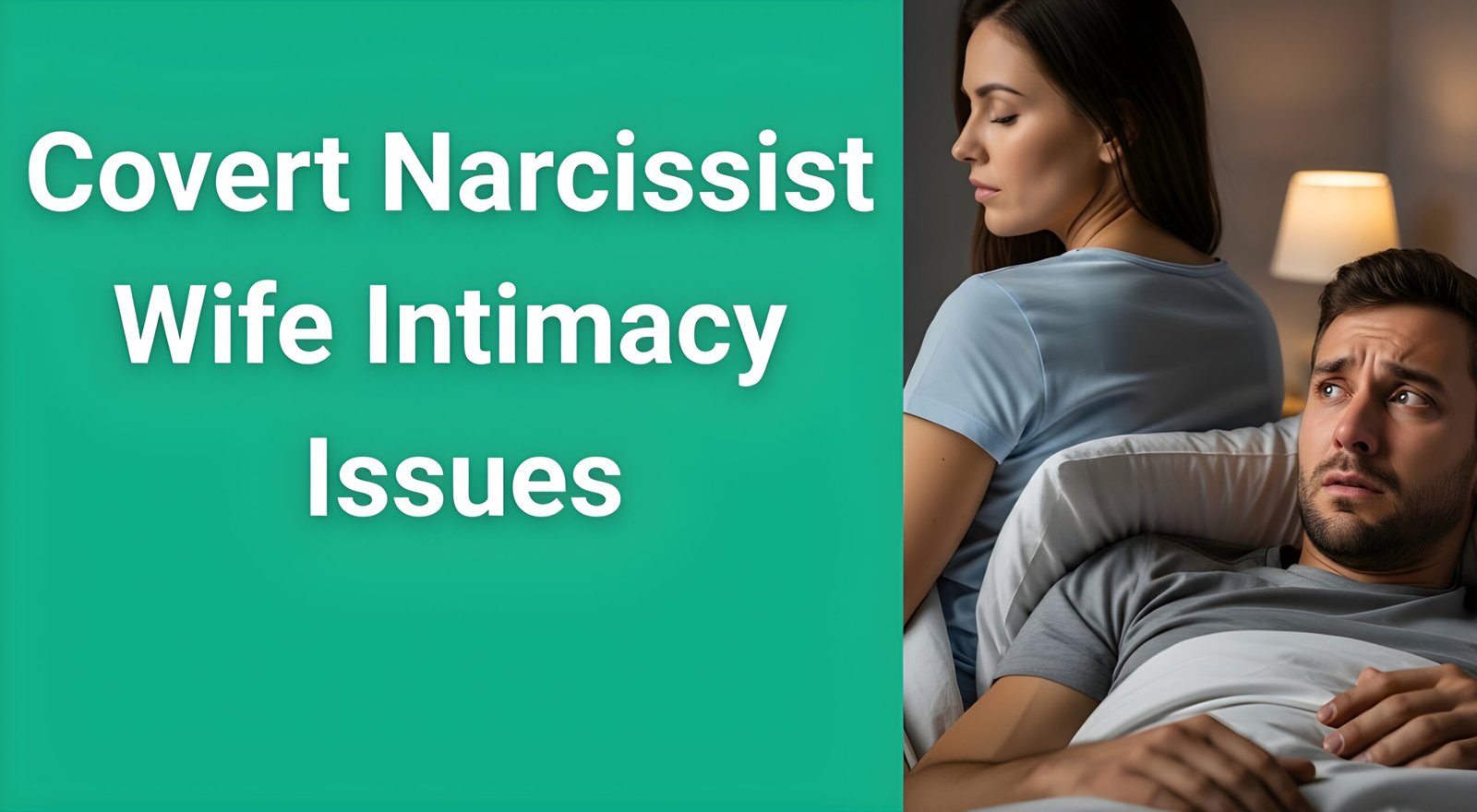
When your wife consistently withdraws emotionally, avoids physical contact, or makes intimacy feel more like a transaction than genuine connection, you might be dealing with covert narcissist wife intimacy issues. Unlike overt narcissists who demand attention openly, covert narcissists use subtle manipulation tactics that can leave you questioning your own perceptions and wondering why intimacy feels impossible in your marriage.
- Understanding Covert Narcissism in Marriage
- The 12 Hidden Signs of Covert Narcissist Wife Intimacy Issues
- The Psychological Impact on Husbands
- Why Covert Narcissists Struggle with Intimacy
- Breaking Free: Your Path Forward
- When Professional Help Becomes Necessary
- Frequently Asked Questions
- Conclusion: Reclaiming Your Right to Genuine Intimacy
Understanding these hidden patterns is crucial because vulnerable narcissism creates unique challenges in intimate relationships. While your wife may appear sensitive or even caring to others, the reality behind closed doors often tells a different story of emotional unavailability and psychological manipulation.
Understanding Covert Narcissism in Marriage
Covert narcissism, also known as vulnerable narcissism or closet narcissist behavior, represents a subset of narcissistic personality disorder that manifests through indirect aggression and emotional withholding rather than grandiose displays of superiority.
In marriages, this creates what researchers call power and control dynamics where intimacy becomes a weapon rather than a bridge. Your covert narcissist wife likely struggles with genuine empathy while maintaining an outward appearance of sensitivity or victimhood.
The key difference lies in how this personality pattern affects intimate relationships. Where healthy partnerships involve mutual vulnerability and emotional regulation, relationships with covert narcissists often feature intermittent reinforcement patterns that keep you psychologically off-balance.
The 12 Hidden Signs of Covert Narcissist Wife Intimacy Issues
1. Mechanical Physical Intimacy
Physical intimacy with a covert narcissist wife often feels disconnected and transactional. She may go through the motions during intimate moments, but the emotional connection remains absent. This lack of empathy manifests as treating physical intimacy like a chore rather than an expression of love.
What you might notice:
- Feeling like you’re “performing” rather than connecting
- Absence of genuine affection or emotional presence during intimate moments
- Intimacy that feels rushed or perfunctory
- A sense that she’s somewhere else mentally during physical connection
This pattern reflects the emotional unavailability characteristic of pathological narcissism, where genuine vulnerability becomes impossible due to their deep-seated fear of exposure.
2. Strategic Emotional Withdrawal
Emotional withholding serves as a primary control mechanism for covert narcissists. Your wife may withdraw affection, attention, or emotional availability as punishment for perceived slights or to maintain power in the relationship.
This passive aggressive behavior creates what therapists call trauma bonding, where you find yourself working harder to regain her emotional connection. The withdrawal isn’t about needing space—it’s about control.
Common withdrawal tactics include:
- Cold shoulder treatment lasting days or weeks
- Refusing to discuss relationship issues
- Emotional stonewalling during important conversations
- Becoming suddenly busy or unavailable when you seek connection
3. Conditional Love and Affection
Intimacy becomes tied to your performance, behavior, or ability to provide narcissistic supply. Your covert narcissist wife may only show affection when you’ve done something that benefits her or feeds her ego.
This creates codependent relationships where you constantly walk on eggshells, trying to earn the love that should be freely given. The entitlement mentality behind this behavior stems from their belief that affection must be earned rather than shared.
4. Public vs. Private Personality Split
Many men report that their wives seem like different people in public versus private settings. The masked narcissism becomes apparent when you notice how she performs affection for others while withholding it from you.
Key indicators:
- Covert superiority expressed through subtle put-downs when alone
- Charming and attentive behavior when others are watching
- Hidden grandiosity revealed through private criticism of others
- Different personality depending on the audience
This psychological manipulation keeps you confused about the “real” person you married, contributing to self-doubt and confusion.
5. Intimacy Avoidance Through Busyness
Your wife may consistently avoid opportunities for intimate connection by staying perpetually busy or overwhelmed. This intimacy avoidance pattern serves to maintain emotional distance while appearing justified to others.
The subtle manipulation lies in how she frames this busyness—often as sacrifice or dedication to family, work, or other responsibilities. However, the pattern reveals itself when she consistently prioritizes everything except intimate connection with you.
6. Silent Treatment as Punishment
The silent treatment represents one of the most damaging forms of emotional abuse in relationships with covert narcissists. Unlike temporary cooling-off periods in healthy relationships, this silence serves as deliberate punishment designed to make you anxious and compliant.
Characteristics of narcissistic silent treatment:
- No explanation for the withdrawal
- Continuation despite your attempts to resolve issues
- Used to avoid accountability for their behavior
- Designed to make you question what you did wrong
This blame shifting technique keeps the focus off their behavior while making you responsible for “fixing” the relationship.
7. Victim Mentality in Relationship Conflicts
When intimacy issues arise, your covert narcissist wife likely positions herself as the victim. This martyrdom complex deflects responsibility while generating sympathy from others.
Common victim positioning tactics:
- Guilt tripping tactics about your expectations
- Claims that your need for intimacy is unreasonable or excessive
- Projection defense mechanism where she accuses you of the behaviors she exhibits
- Reality distortion about the frequency or quality of intimate moments
8. Weaponizing Vulnerability
Any vulnerability you share during intimate moments may later be used against you during conflicts. This betrayal of trust makes genuine emotional intimacy feel dangerous, leading to your own emotional withdrawal as self-protection.
The psychological abuse occurs when private conversations become ammunition for later arguments, creating an environment where opening up feels like handing over weapons to be used against you.
9. Comparing You to Others
Chronic criticism often manifests through unfavorable comparisons to other husbands, ex-partners, or imaginary standards. These subtle put-downs erode your confidence while maintaining her position of superiority.
The emotional invalidation inherent in these comparisons serves to keep you insecure and seeking her approval, disrupting the natural balance required for healthy intimacy.
10. Financial Control Over Intimate Experiences
Financial control may extend to intimate aspects of your relationship, such as preventing romantic getaways, controlling spending on date nights, or using money as leverage for physical intimacy.
This exploitative relationship pattern reflects the deeper attachment disorders common in cluster B personality disorders, where love becomes transactional rather than freely given.
11. Selective Memory About Intimate Issues
Your wife may conveniently “forget” conversations about intimacy problems, promises to work on the relationship, or agreements about improving connection. This minimization tactics and denial patterns prevent genuine progress while making you feel like you’re losing your mind.
Gaslighting techniques often involve:
- Claiming conversations never happened
- Rewriting the history of your intimate relationship
- Deflection strategies when confronted with patterns
- Making you question your own memory and perceptions
12. Love Bombing and Devaluation Cycles
Perhaps the most confusing aspect involves the cycle between love bombing—intense affection and attention—followed by devaluation and withdrawal. This intermittent reinforcement creates powerful psychological bonds that keep you hoping for the return of the “good times.”
Understanding this cycle helps explain why leaving feels so difficult despite the pain. The unpredictable nature of receiving affection creates what researchers call trauma bonding, making the relationship feel addictive rather than nurturing.
The Psychological Impact on Husbands
Living with covert narcissist wife intimacy issues creates profound psychological effects that extend far beyond the bedroom. Complex PTSD symptoms often develop as a result of ongoing emotional trauma and psychological manipulation.
Walking on Eggshells
You may find yourself constantly monitoring your words and actions to avoid triggering her withdrawal or anger. This hypervigilance reflects your nervous system’s adaptation to an unpredictable environment where intimacy feels conditional and dangerous.
The chronic stress of never knowing which version of your wife you’ll encounter creates anxiety and depression that impacts every area of your life. Mental health deterioration becomes inevitable when your primary relationship lacks safety and predictability.
Loss of Identity
Covert narcissist wife intimacy issues often result in gradual loss of identity as you adapt your personality to accommodate her needs while neglecting your own. The constant focus on managing her emotions leaves little energy for your own growth and self-care.
People pleasing tendencies develop as survival mechanisms, but they ultimately distance you further from your authentic self and genuine desires for connection.
Emotional Exhaustion
The energy required to navigate toxic relationship patterns leaves many husbands feeling completely drained. Emotional exhaustion makes it difficult to maintain friendships, excel at work, or find joy in activities you once enjoyed.
This mental fatigue isn’t weakness—it’s a natural response to living in an environment where emotional safety doesn’t exist and genuine intimacy remains elusive.
Why Covert Narcissists Struggle with Intimacy
Understanding the psychology behind covert narcissist wife intimacy issues helps you recognize that these patterns stem from deep-seated attachment trauma rather than anything you’ve done wrong.
Fear of Vulnerability
Vulnerable narcissism creates a paradox where the person most desperately needs connection while simultaneously fearing it. True intimacy requires vulnerability, which feels terrifying to someone whose identity depends on maintaining control and avoiding exposure.
Your wife’s emotional unavailability likely stems from childhood emotional neglect or trauma that taught her vulnerability equals danger. Generational trauma patterns often perpetuate these dysfunctional family patterns across generations.
Shame and Hidden Insecurities
Beneath the surface of covert superiority lies profound shame and insecurity. Intimate relationships threaten to expose these hidden feelings, making emotional connection feel dangerous rather than desirable.
The rage underneath depression that characterizes many covert narcissists makes genuine emotional intimacy feel impossible, as they fear their partner will discover their perceived inadequacies.
Inability to Regulate Emotions
Emotional regulation issues common in cluster B personality disorders make the intensity of intimate relationships overwhelming. Rather than developing healthy coping mechanisms, they use control and withdrawal to manage their internal emotional chaos.
Breaking Free: Your Path Forward
Recognition represents the first step toward reclaiming your emotional health and deciding your relationship’s future. Whether your goal involves healing the relationship or protecting yourself from further harm, understanding these patterns empowers you to make informed decisions.
Setting Boundaries
Boundary setting strategies become essential for protecting your mental health while living with covert narcissist wife intimacy issues. These boundaries aren’t about controlling her behavior—they’re about defining what you will and won’t accept in your life.
Effective boundaries might include:
- Refusing to engage during silent treatment episodes
- Declining to discuss intimacy when she’s unwilling to listen
- Protecting your emotional energy by limiting exposure to chronic criticism
- Seeking individual counseling regardless of her participation
Understanding Trauma Bonding
The powerful attachment you feel despite the pain reflects trauma bonding rather than healthy love. Breaking these bonds requires understanding how intermittent reinforcement creates psychological dependency.
Trauma informed therapy helps you recognize these patterns while developing healthier responses to manipulation tactics. The goal isn’t to diagnose your wife but to understand your own responses and choices moving forward.
Rebuilding Your Identity
Recovery involves rediscovering who you are outside of managing your wife’s emotions and needs. Self-compassion practices help counter the chronic criticism you’ve internalized, while mindfulness techniques help you reconnect with your authentic desires and values.
Support group therapy connects you with others who understand these unique challenges, reducing the isolation common in these relationships.
When Professional Help Becomes Necessary
If you recognize multiple signs of covert narcissist wife intimacy issues in your marriage, professional support can provide crucial guidance and validation. Couples therapy may help if your wife demonstrates genuine willingness to examine her patterns, but individual counseling often proves more beneficial initially.
Many husbands benefit from specialized support that understands the unique dynamics of narcissistic abuse. A comprehensive analysis of your specific situation can provide clarity about patterns you’ve struggled to understand and practical strategies for moving forward.
For those seeking deeper understanding of their relationship dynamics, a Narcissistic Abuse Clarity Report offers expert analysis of your specific situation, helping you understand exactly what you’re dealing with and providing a clear roadmap for recovery.
Understanding Trauma Bonding
The difficulty of leaving or changing these dynamics often stems from trauma bonding—the powerful psychological attachment that develops through cycles of abuse and intermittent kindness. Breaking free from these bonds requires specialized understanding and support.
The 30-Day Trauma Bond Recovery Workbook provides day-by-day guidance for understanding and breaking these powerful psychological ties, offering practical tools for emotional recovery whether you stay or leave.
Practical Survival Strategies
For those who cannot immediately leave their situation, learning to protect your mental health while navigating ongoing challenges becomes crucial. Understanding how to maintain your sanity and emotional stability in difficult circumstances requires specific strategies and ongoing support.
Frequently Asked Questions
Q: How can I tell if my wife’s intimacy issues stem from covert narcissism versus other causes?
A: Covert narcissism creates specific patterns including conditional affection, strategic withdrawal, victim positioning, and emotional manipulation during intimate moments.
Q: Can covert narcissists change their behavior with therapy?
A: Change requires genuine recognition of the problem and commitment to therapy. However, true personality change remains difficult and requires extensive professional intervention.
Q: Why do I feel so attached despite the pain?
A: Trauma bonding creates powerful psychological attachments through cycles of intermittent reinforcement, making leaving feel impossible despite ongoing harm.
Q: Is it possible to have a healthy intimate relationship with a covert narcissist?
A: Healthy intimacy requires mutual vulnerability, empathy, and emotional availability—traits that conflict with narcissistic personality patterns.
Q: Should I tell my wife I think she’s a covert narcissist?
A: Direct confrontation often triggers defensive responses and increased manipulation. Focus on specific behaviors rather than diagnostic labels when discussing concerns.
Conclusion: Reclaiming Your Right to Genuine Intimacy
Covert narcissist wife intimacy issues create profound challenges that extend far beyond temporary relationship problems. These patterns reflect deep-seated psychological dynamics that affect every aspect of your emotional and mental health.
Understanding these hidden signs empowers you to make informed decisions about your future while protecting your emotional well-being. Whether your path involves working toward healing the relationship or protecting yourself from further harm, recognizing these patterns represents the first step toward reclaiming your right to genuine, healthy intimacy.
Remember that you deserve a relationship built on mutual respect, genuine affection, and emotional safety. The confusion and pain you’ve experienced aren’t character flaws or relationship failures—they’re natural responses to psychological manipulation and emotional abuse.
Your journey toward healing and clarity begins with understanding what you’re truly dealing with and developing the tools necessary to protect your mental health while making informed decisions about your future.