It is a Tuesday night and you are both on the same sofa, but you might as well be in different rooms. One of you is scrolling, the other is half watching television, and nobody has asked a real question all evening. Nothing is wrong, exactly, and that is what worries you. This is how to keep a relationship strong and happy, and the pattern behind that quiet Tuesday night has a plain name, slow drift. Slow drift is what happens when two people stop paying close attention to each other, not in one big fight, but in a hundred small moments of looking away. This guide shows you how to reverse it, with small daily habits that rebuild closeness, trust and warmth, and how to tell the difference between a good relationship that needs effort and a harmful one that tips alone cannot fix.
- What Keeps a Relationship Strong
- How Do You Communicate So You Both Feel Heard
- How Do You Build Trust Day by Day
- How Do You Fight Fair and Repair After a Fight
- How Do You Keep the Spark Alive When Life Gets Busy
- How Do You Share Money and Chores Fairly
- How Do You Keep Your Own Life Inside the Relationship
- How Do You Keep a Long Distance Relationship Strong and Happy
- What Does a Strong Week Actually Look Like
- When Do Good Habits Not Fix a Relationship
- Mistakes That Wear a Relationship Down
- Frequently Asked Questions
You will learn what actually keeps a relationship strong, how to communicate so you both feel heard, how to build trust in small daily moments, how to fight fair and repair properly after a fight, how to keep the spark alive when life gets busy, how to share money and chores fairly, how to keep your own life inside the relationship, how to keep a long distance relationship strong and happy, what a strong week actually looks like day by day, and when good habits are not enough and something deeper needs attention.
The short answer is this. You keep a relationship strong and happy with small, repeated acts of attention, not grand gestures. Talk every day, keep small promises, repair quickly after fights, protect time together, stay curious about each other, and treat your partner like a friend you genuinely like.
Key Takeaways
- A strong relationship is built on five foundations: honest communication, trust kept in small moments, fair fighting with fast repair, shared rituals and new experiences, and room for two separate lives.
- Emotional safety is the base of everything. Emotional safety means you can say what you feel, admit a mistake, or ask for space without fear of punishment, mockery, or days of silence.
- Small daily deposits matter more than occasional grand gestures. A real question, a thank you for something ordinary, and a hug that lasts a few seconds add up over months.
- Repair matters more than never fighting. Couples who last are not the ones who never argue. They are the ones who come back, own their part, and change what they do next.
- Effort has to run both ways. If you are doing all the listening, all the apologising, and all the planning, that imbalance is itself a problem to name, not a habit to keep hiding.
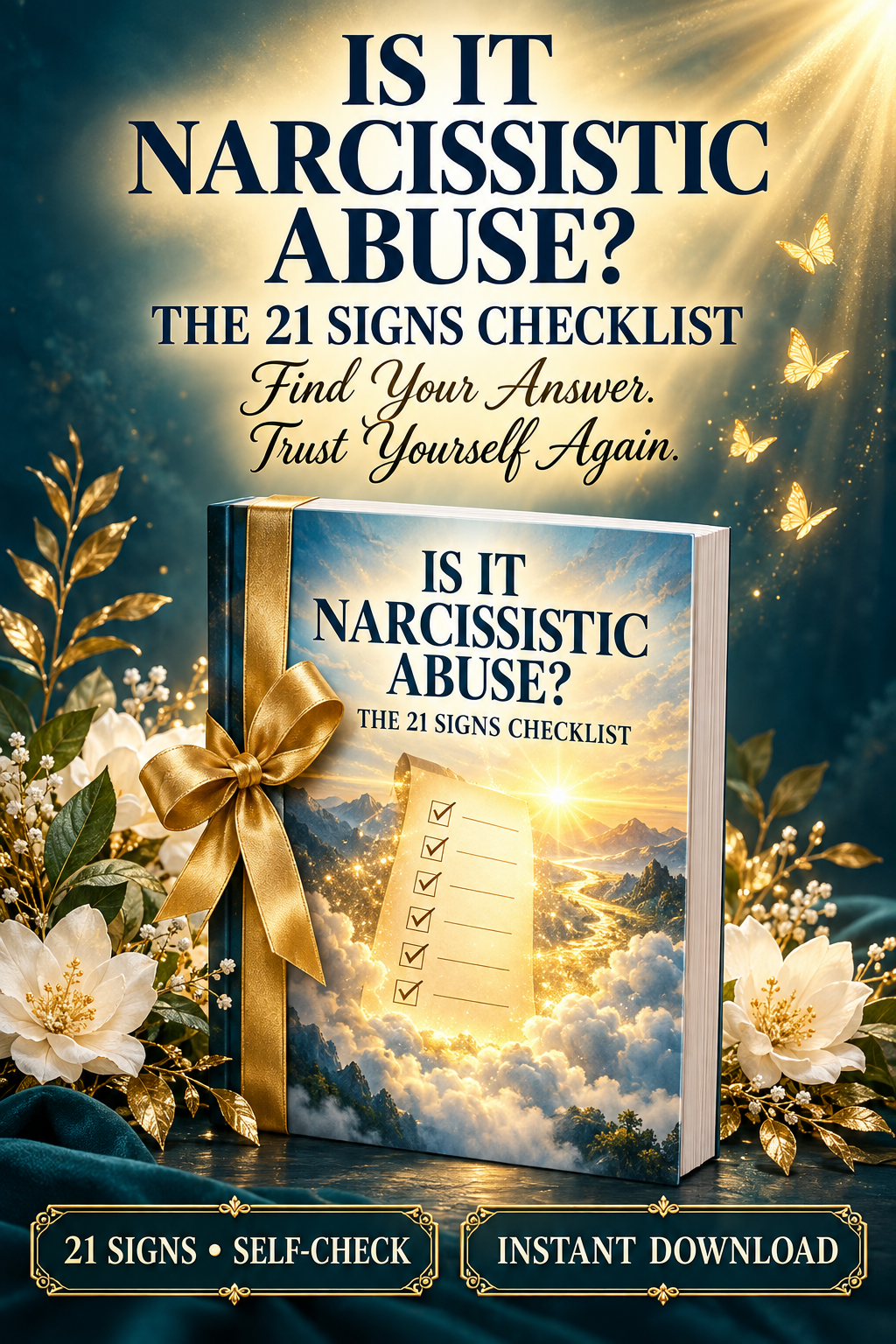
If you are doing all the work to hold your relationship together, the Life After a Narcissist Rebuild Bundle was made for exactly that. It gives you clear steps for rebuilding your sense of self, spotting the difference between love and a trauma bond, and deciding what a healthy relationship should actually feel like. You can see everything it includes here: Life After a Narcissist Rebuild Bundle.
What Keeps a Relationship Strong
What keeps a relationship strong is not one big thing, but five small things done again and again. The direct answer is that strong couples communicate honestly, keep small promises, repair quickly after conflict, protect shared time, and let each other keep a separate life. None of these is dramatic. All of them are daily.
Think of your relationship as a house you both live in. You do not wait for the roof to fall in before you do any maintenance. You sweep the floor, fix the small leak, and check in on the structure, a little at a time. Couples who stay happy for decades do the same. They do not have a secret. They have habits, and they repeat them when they are tired, busy, or bored, not only when they feel romantic.
The five foundations work together, and a weakness in one will show up in the others. Poor communication makes trust harder, because your partner cannot tell what you need. Low trust makes conflict harder, because every disagreement feels like a threat. No shared time makes curiosity fade, because you stop learning who your partner is becoming. And no separate life makes the relationship carry too much weight, because one person is expected to meet every need. Strengthen the weakest foundation first, not the one you already do well.
The table below shows the difference in plain terms. The left column builds a relationship. The right column wears it down, slowly, over months.
| Habits that build a relationship | Habits that wear it down | |
|---|---|---|
| Talking | Ask a real question and listen to the answer | Scrolling while your partner talks, then asking them to repeat it |
| Trust | Do what you said you would do, even in small things | Promising, forgetting, then acting as if it did not matter |
| Conflict | Stay on one topic, own your part, repair the same day | Bringing up old mistakes, mocking, or walking out with no return time |
| Time together | Protect one small ritual every day, and a longer one every week | Letting every evening fill up with chores, screens, and logistics |
| Closeness | Notice what your partner did well and say so out loud | Only noticing what they did wrong, and keeping score of it |
| Growth | Cheer each other on and bring new things home to talk about | Treating a partner’s growth as a threat, or as something to mock |
If you read that table and feel a sting, that is useful information, not a verdict. Most couples will recognise themselves on both sides. The point is not to feel guilty. The point is to pick one row, change one habit this week, and notice what happens. Change is easier in one small place than in five at once.
There is one more distinction worth making early, because it shapes everything else in this guide. Intensity is not the same as strength. A relationship can feel intense, dramatic, and all consuming, and still be unhealthy. A strong relationship often feels steadier than that. It feels calm, kind, and reliable, with room to breathe. If you are unsure which one you are in, the guide on trauma bond vs true love sets out the difference in clear, practical terms. Psychology Today has a useful overview of healthy relationships that makes the same point from the research side, that lasting relationships rest on respect, trust, and honest communication, not on constant excitement.
How Do You Communicate So You Both Feel Heard
You communicate so you both feel heard by listening to understand, not to reply, and by saying what you feel without blaming your partner’s character. The direct answer is that good communication is mostly listening, plus short, honest sentences about your own experience, said at a calm moment.
Most couples do not have a talking problem. They have a listening problem. One person is speaking while the other is already building a reply, or checking a phone, or deciding whether the complaint is fair. Real listening looks different. You put the phone down. You let them finish. Then you say back what you heard, in your own words, before you answer. “So you felt brushed off when I kept working through dinner, is that right?” That one sentence changes the whole conversation, because your partner feels understood before they have to defend themselves.
The second skill is how you raise a problem. Sentences that start with “you always” or “you never” put your partner on trial, and a person on trial defends themselves. They do not listen. Sentences that start with “I feel” give them something they can respond to. Compare them. “You never help around the house” starts a fight. “I am feeling overwhelmed with the chores lately and I would love some help” starts a conversation. The facts are the same. The second version names your experience instead of attacking their character, and it ends with a clear request.
A third skill is responsiveness, which is a plain word for a powerful habit. Responsiveness means noticing what your partner needs, including the needs they do not say out loud, and acting on it in a small way. It is making the tea without being asked. It is remembering the meeting they were nervous about and asking how it went. It is a text in the middle of the day that says you were thinking of them. Research on closeness keeps coming back to this point, that feeling understood and valued by your partner is one of the strongest predictors of satisfaction, and it is built in these tiny moments, not in anniversary speeches.
Here is a daily habit that puts all three skills together. Set aside ten to fifteen minutes a day to talk about anything except bills, chores, and logistics. Ask an open question, like “What was the best part of your day?” or “What has been on your mind lately?” Then listen, reflect back what you heard, and ask one follow up question. It sounds small. Over a year, it is more than sixty hours of real conversation, and that is the difference between a partner and a roommate.
One more rule helps when things get tense. Assume good intent first. When your partner does something that hurts, start with the idea that they did not mean to, and then ask. “That comment stung. Did you mean it the way it sounded?” This does not excuse bad behaviour. It stops you from writing a whole story about their motives before you have heard their side, and it keeps a small hurt from becoming a big fight.
How Do You Build Trust Day by Day
You build trust day by day by doing what you said you would do, telling the truth even when it is awkward, and being the same person in private that you are in public. The direct answer is that trust is not built in one grand gesture. It is built in dozens of small follow throughs, and it is lost the same way, in small broken promises that add up.
Trust has a simple test. If you say you will call at six, call at six. If you say you will handle the school forms, handle them. If you promise to keep something private, keep it private. Each kept promise is a small deposit. Each broken one is a withdrawal, and withdrawals cost more than deposits earn. That is why a partner who is late once is forgiven easily, while a partner who is late every week, and shrugs about it, slowly stops being believed.
Honesty works the same way. Small honest moments, admitting you forgot, saying you do not know, telling your partner you are struggling, build a feeling of safety. Small cover ups do the opposite, even when they seem kind. If you hide a purchase, a message, or a feeling because you do not want a difficult conversation, you are teaching your partner that there are parts of your life they cannot see. Over time, that hidden area grows, and so does the distance.
Transparency is not the same as surveillance. You do not need to share passwords or report every movement. You need to be open about the things that affect your partner, and willing to answer a fair question without turning it into a fight. “Who were you talking to?” deserves a straight answer, not an accusation in return. A partner who answers calmly is building trust. A partner who explodes at the question is spending it.
Here is a one week trust challenge you can try together. For seven days, be exact with your word on the small things. If you say you will take out the bins, do it straight away. If you promise to ring at a certain time, set an alarm. At the end of the week, talk about what it felt like. Most couples are surprised twice, first by how often small promises slip, and second by how good it feels when they do not. Healthline has a clear guide to what a healthy relationship looks like, and it puts the same idea at the centre, that trust grows from consistency, reliability, and honesty in everyday moments.
How Do You Fight Fair and Repair After a Fight
You fight fair by staying on one topic, attacking the problem instead of the person, and repairing the same day. The direct answer is that healthy couples still argue, but their arguments have rules, a time limit, and a repair at the end, and that repair matters more than the argument itself.
Start with the rules, and agree them when you are both calm, not in the middle of a row. No name calling, no mocking, no eye rolling, and no bringing up old mistakes to win the current point. No threats about ending the relationship. No walking out without saying when you will come back. These rules sound basic, and they are. They are also the rules that break first when people are angry, which is exactly why they need to be agreed in advance.
Relationship researcher John Gottman, who studied thousands of couples over decades, found that happy couples keep roughly five positive interactions for every negative one, even during conflict. That ratio is worth remembering, because it tells you the goal is not a perfect argument. The goal is a balance, where kindness, humour, and affection still appear, even on a hard day. Gottman also named four patterns that predict breakups when they become habits: criticism that attacks character instead of behaviour, contempt such as mockery and sarcasm, defensiveness that answers every concern with an excuse, and stonewalling, which is shutting down and refusing to engage. If you see one of these in your own arguments, name it to yourself, not as a weapon, but as a warning light.
When an argument starts to overheat, take a real break. Twenty minutes is enough for most people. Say when you will come back, and come back. “I am too angry to do this well. Give me twenty minutes and we will finish it” is a completely fair move. Walking out with no return time is not, because it leaves your partner alone with the fear that the conversation, or the relationship, is over.
Repair is the part most couples skip, and it is the most important skill in this whole guide. A repair is any small gesture that says, we are okay, and I want to reconnect. It can be an apology, a joke, a hand on the shoulder, or a softened tone. The best repairs have three parts, and they take less than a minute. First, name the specific harm. “I got defensive and stopped listening.” Second, apologise without adding a “but”. “I am sorry, I should not have said that.” Third, say what you will do differently. “Next time I will ask for a pause instead of raising my voice.” Then follow through, because a repair that is never followed by different behaviour stops working.
Here is a script you can use after a fight, once things have cooled down. “I did not like how that went. I got loud when I felt criticised, and that was not fair on you. I am sorry. Can we try again, and this time I will tell you what I need instead of snapping?” It is not elegant. It does not need to be. It is honest, it owns a part, and it opens the door. Accepting a repair matters as much as making one, so when your partner reaches out with an apology or a touch, try to receive it, even if you are still angry. A rejected repair teaches them not to try next time.
Some disagreements never fully resolve, and that is normal. Gottman’s research found that most recurring conflicts in relationships never disappear completely. Money, tidiness, in laws, and how much socialising is enough will come around again and again. Happy couples do not solve these once and for all. They learn to manage them with humour, compromise, and a shared understanding that the argument is not a verdict on the relationship.
How Do You Keep the Spark Alive When Life Gets Busy
You keep the spark alive by protecting small rituals of connection and by doing new things together, not by waiting for a free weekend that never comes. The direct answer is that closeness survives on daily touchpoints and weekly shared time, and it fades when every evening fills up with chores, screens, and logistics.
Start with rituals, which are small, repeated moments that belong only to the two of you. A coffee together in the morning, phones put away. A six second kiss when you see each other after work. A walk after dinner, no phones allowed. A text at lunchtime that says you were thinking of them. These sound too small to matter, and that is exactly why they work. They are easy to repeat, they cost nothing, and they send the same message every day, I still choose you.
Then protect a longer stretch of time each week. A date night does not need to be expensive or elaborate. It needs to be protected. Cook a new recipe together. Revisit a place that mattered when you first met. Take it in turns to plan, so both of you bring ideas, and treat the plan as a real commitment, not something to cancel the moment work gets busy. Couples who keep dating are couples who keep seeing each other as a romantic partner, not only as a co-parent, a housemate, or a logistics partner.
Novelty matters too, and there is research behind it. Studies by Arthur Aron and colleagues found that couples who shared new and exciting activities reported higher satisfaction afterwards than couples who shared pleasant but familiar ones. New experiences trigger the same kind of excitement you felt early on, and they give you something fresh to talk about. Take a class together in something neither of you has tried. Travel somewhere new, even for a weekend. Learn a skill together, like dancing, cooking, or a language. The activity matters less than the shared feeling of discovery.
Intimacy needs the same care, and it needs to be separated from pressure. Physical closeness goes far beyond the bedroom. A hand on the shoulder as you pass in the kitchen, a hug that lasts a few seconds, holding hands on a walk, these are deposits in the same account. When intimacy has faded, the answer is almost never pressure or scorekeeping. It is rebuilding the warmth and ease that make closeness feel natural again. Talk about what you enjoy, and what has changed, without blame. Ask what your partner actually likes, rather than assuming you already know.
One warning is worth giving here, because it matters on this site. Grand gestures are not proof of love. A partner who ignores you for weeks, then arrives with flowers and a big apology, is not showing devotion. They are showing a pattern. If the big romantic moments only appear after bad behaviour, and the daily kindness is missing, that is worth looking at honestly. The guide on how to tell if it is love bombing or genuine sets out the difference between real affection and a cycle of intensity followed by withdrawal. Real love is steady. It does not need a crisis to appear.
How Do You Share Money and Chores Fairly
You share money and chores fairly by talking about both openly, agreeing who does what, and checking the balance every few months. The direct answer is that fairness is not always fifty fifty every week. It is an overall balance over months, where neither person carries the whole load, and where the invisible work is seen and counted.
Money is one of the most common sources of conflict in relationships, and silence makes it worse. Sit down together and talk about how money is earned, spent, saved, and shared. Agree on a simple system, such as a shared account for bills, a small personal allowance each, and a rule that any purchase above an agreed amount gets discussed first. Then review it every few months, because incomes, costs, and priorities change. The point of the conversation is not to win. It is to make sure neither of you feels controlled, kept in the dark, or quietly resentful.
Chores work the same way, and the invisible work matters most. Planning meals, remembering birthdays, booking appointments, keeping track of school dates, noticing that the house needs cleaning, this mental load is real work, and it often falls on one person without ever being named. Sit down and list everything, including the planning and remembering, not just the doing. Then divide it in a way that feels fair to both of you, and write it down. A written list stops the same argument from happening every week, because you can point to what was agreed.
Fairness also means flexibility. There will be weeks when one of you is ill, swamped at work, or caring for a family member, and the other picks up more. That is normal, and it is fine, as long as it balances out over time and it is noticed. Say thank you for the extra effort. A partner who feels seen for carrying more is very different from a partner who carries more and is never thanked. When the imbalance becomes permanent, and one person always does the planning, the remembering, and the doing, while the other always benefits, that is not a busy season. That is a pattern, and it needs a real conversation, not another quiet month of coping.
Here is a simple way to start the money conversation without a fight. Pick a calm evening, not the day a bill arrives. Say, “I want us to feel fair about money and chores. Can we look at it together this week?” Then bring numbers, not accusations. “We spent this much on takeaways last month” works. “You always waste money” does not. The first is a fact you can solve together. The second is a verdict your partner will defend against.
How Do You Keep Your Own Life Inside the Relationship
You keep your own life inside the relationship by protecting friendships, hobbies, and goals of your own, and by letting your partner do the same. The direct answer is that a strong relationship is made of two whole people, not two halves, and a partner who has nothing outside the relationship puts too much weight on it.
It sounds backwards, but one of the best things you can do for your relationship is to maintain a life outside it. Friendships, hobbies, goals, and solo time are not threats to closeness. They are what keep you interesting to yourself and to each other. When your whole emotional world runs through one person, every small conflict carries the weight of your entire happiness, and that is too much pressure for any partner to hold.
The balance most happy couples strike is autonomy with connection. You do not need permission to see your friends, but you do keep each other in the picture. A weekly evening with friends, a solo morning run, a hobby that is yours alone, these are maintenance, not rejection. If a partner treats your separate life as a betrayal, that is worth examining. And if you treat theirs that way, it is worth asking what you are actually afraid of.
Growth matters here too. People change over years, and a relationship that does not leave room for change will feel like a cage. Support each other’s personal and professional goals with real enthusiasm. Celebrate your partner’s wins as if they were shared victories, because in a good relationship, they are. Bring your growth home to talk about, so you have new things to say to each other. And give each other space to change without fear that growing means growing apart. The couples who last are often the ones who keep learning about each other, not the ones who decided who their partner was in year one and never updated the picture.
Stay curious on purpose. Each week, ask your partner one question you have never asked before, or one you have not asked in years. What is something you have been thinking about lately? What is a dream you have not told me about yet? What is something you feel proud of that I might not know about? Curiosity is the opposite of taking someone for granted. When you stop being curious, your partner stops being a living, changing person in your eyes, and becomes a fixture. Nobody wants to be a fixture.
How Do You Keep a Long Distance Relationship Strong and Happy
You keep a long distance relationship strong and happy with a regular rhythm of contact, clear plans for the next time you meet, and honest talk about the hard parts. The direct answer is that distance does not break a relationship on its own. Silence, unclear expectations, and drift do, and all three can be prevented with a simple routine.
Start with a rhythm you both agree on, and keep it. A good morning message, a call at an agreed time, a longer video call on a set evening. The exact shape matters less than the reliability. When your partner knows when they will hear from you, they stop checking their phone with anxiety, and they stop writing stories about why you have not replied. If your schedule changes, say so in advance. A short message, “Today is a deadline day, I will be quiet until seven, then I will call,” prevents a whole evening of worry.
Make the contact real, not only logistical. Share small details of your day, a photo of something funny, a thought you had on the walk to work, a song that reminded you of them. Long distance couples who only talk about plans and problems slowly become business partners. The couples who stay close are the ones who keep sharing their inner life, even across a screen.
Plan the next meeting as soon as you can, and keep a countdown you both can see. Having a date on the calendar changes the feeling of the distance. It stops being open ended, and starts being a gap with an end. Talk openly about the practical questions too. How often will you visit, who travels, how will you share the cost, and what happens on the days when one of you feels lonely or jealous. Jealousy is normal in a long distance relationship, and it is not a sign of failure. It is a sign that you need more reassurance and more clarity, and that is a conversation, not a fight.
Finally, keep your own life where you are. A long distance relationship is hardest when one person puts their whole life on hold, waiting for the next visit. Keep your friendships, your routines, and your goals. You will have more to talk about, you will feel steadier, and you will arrive at the next meeting as a whole person, not as someone who has been counting the days in an empty room.
What Does a Strong Week Actually Look Like
A strong week is not a week of grand gestures. It is a week of small, repeatable habits, and it is easier to copy than to invent. The direct answer is that a strong week has one daily ritual, one real conversation, one shared activity, one act of appreciation, and one honest check-in, and the plan below shows how that looks day by day.
Monday. Start the week with a two minute check-in over breakfast or coffee. What does each of you have on today? Is there anything you need help with? This tiny habit prevents the feeling that you are running two separate lives under one roof.
Tuesday. Have your ten minute talk about something other than bills, chores, and logistics. Ask a real question, listen properly, and ask one follow up. This is the day the connection gets fed.
Wednesday. Do one small thing your partner hates doing, without being asked and without announcing it. Take out the bins, handle the school forms, cook the dinner they usually cook. Quiet service is one of the clearest ways to say, I see the load you carry.
Thursday. Share one specific appreciation out loud. Not a general “thanks”, but a specific one. “Thank you for making coffee this morning, it helped my day start well.” Specificity shows you are paying attention, and it takes ten seconds.
Friday. Protect an evening together, even if it is only an hour. Cook together, walk together, or watch something you both enjoy, phones in another room. The point is shared time that is not about chores.
Saturday. Do something new together, or revisit something that matters to you both. A class, a walk somewhere new, a recipe you have never tried, a place from your early days. Novelty is the habit that keeps curiosity alive.
Sunday. Have the weekly check-in. Five minutes, two questions. How are we doing this week? Is there anything small we should change next week? End with one plan for the week ahead, such as who is handling what, and one thing you are both looking forward to.
Notice what this week does not contain. There is no expensive date, no weekend away, and no dramatic apology. It is ordinary, and that is the point. A relationship that runs on ordinary care, repeated every week, is stronger than one that runs on occasional drama, however romantic the drama feels in the moment.
When Do Good Habits Not Fix a Relationship
Good habits do not fix a relationship when the problem is not a lack of effort, but a lack of safety, respect, or willingness on one side. The direct answer is that communication tips, date nights, and gratitude cannot fix a relationship where one person is afraid, controlled, or doing all the work alone, and in that case the honest step is to name the pattern and get outside help.
Start with the effort test. Are you the only one reading guides like this one? Are you the only one apologising, the only one planning, the only one trying to change? You can shift a lot on your own. Better listening, cleaner apologies, and less scorekeeping often change the whole tone of a relationship. But a relationship takes two willing people, and your effort can invite change without being able to guarantee it. If you have been doing all the work for months, and nothing has changed, that imbalance is itself worth an honest conversation, not another quiet month of trying harder.
Then there is the safety test. If you feel afraid of your partner, if you edit yourself constantly to avoid an explosion, if you are monitored, cut off from friends, or treated with contempt, that is not a communication problem. It is a control problem, and no amount of date nights will fix it. A strong relationship feels safe. You can say what you feel, disagree, and ask for space without bracing for punishment. If that safety is missing, talk to a trusted person outside the relationship, or a qualified professional, and prioritise getting safe over fixing things.
There is also the confusion test, which is the one this site exists to help with. Some relationships feel intense and all consuming, and that intensity gets mistaken for love. In fact, it can be a trauma bond, which is an attachment formed through cycles of highs and lows, closeness and withdrawal. If the pattern sounds familiar, read the signs it is a trauma bond, not love and check what you recognise. And if you have already left a relationship like that and you are still carrying it, the guide on how to get over love bombing sets out the steps for breaking the cycle for good.
Trust that has been broken by betrayal deserves its own honest paragraph. Yes, it is possible to heal after trust has been broken, but it is a long road, and it demands full commitment from both people. There are no shortcuts. The person who broke the trust has to be willing to be open, to show sincere remorse, and to take full responsibility, with no excuses. The partner who was hurt has to make the brave choice, over time, to let the repair land when it genuinely comes. That process is built one consistent, trustworthy action at a time, and words alone are not enough. Healthline has a clear guide to betrayal trauma that explains why a betrayal can affect sleep, trust, and self worth long after the event, and why professional support helps. Couples therapy is not a last resort before a breakup. It is an investment, and it works best when you go early, before resentment has had years to set.
Mistakes That Wear a Relationship Down
Most relationships wear down through small mistakes, repeated for months, not one big betrayal. The direct answer is to watch for the seven mistakes below, because each one is easy to make, easy to miss, and hard to undo once it has become a habit.
First, keeping score. Counting who did what, who apologised last, and who owes whom turns a partnership into a ledger. Effort is never exactly fifty fifty every week, and a ledger always finds a debt. Look at the balance over months, not days, and say thank you more often than you count.
Second, treating your partner as a mind reader. Expecting them to know what you need without being told is a test they cannot pass. Say the need out loud, clearly, and early, before it becomes a resentment.
Third, fighting about the surface issue instead of the real one. A fight about dishes is usually a fight about feeling unappreciated. A fight about money is usually a fight about feeling unsafe. Ask what is underneath, and say the deeper sentence out loud.
Fourth, using contempt. Mockery, sarcasm, eye rolling, and name calling are not jokes, and they are not harmless. Contempt is one of the strongest predictors of a relationship breaking down in research, and it poisons the goodwill that repair needs.
Fifth, going to bed angry as a rule, or the opposite, forcing a fight to a conclusion at midnight when you are both exhausted. The healthy middle is a pause with a return time. “Let us pick this up tomorrow morning at nine” is a promise, not an escape, as long as you keep it.
Sixth, letting the relationship become only logistics. When every conversation is about bills, chores, school, and schedules, the friendship starves. Protect ten minutes a day for a conversation that is not about running the household.
Seventh, waiting too long to get help. The average couple waits years after problems begin before seeking professional support, and by then the patterns are deeply set. Getting help early, when a problem first appears, is far more effective than waiting until resentment has built up. A counsellor is not a judge. They are a coach for your team, and going early is a sign of strength, not failure.
Frequently Asked Questions
How do you keep a relationship strong and happy forever?
You keep it strong for the long term with small daily choices, not grand gestures. Talk every day, keep small promises, repair quickly after fights, protect shared time, stay curious about each other, and grow together instead of only living side by side. Consistency over years matters more than intensity in any single month.
How do you keep a long distance relationship strong and happy?
Agree on a regular rhythm of contact and keep it, share small details of your day and not only plans and problems, plan the next meeting as soon as you can, talk openly about loneliness and jealousy, and keep your own life where you are. Distance does not break a relationship on its own. Silence and unclear expectations do.
Can a relationship be healthy if we still argue?
Yes. Argument frequency matters far less than argument style and what happens afterwards. If your disagreements stay on one topic, avoid contempt, and end with repair or understanding, conflict is doing its job. Worry less about whether you fight and more about whether you both feel safe doing it.
What if my partner needs more space than I do?
Different closeness needs are common and usually workable. Name the difference without framing either style as wrong, agree on rituals that keep you connected, and reassure each other rather than testing each other. Space requested openly is healthy. Distance used as punishment is a different conversation.
Can I make my relationship healthier by myself?
You can shift a lot alone. Better listening, cleaner apologies, and less scorekeeping often change the whole tone. But a relationship takes two willing people, and your effort can invite change without being able to guarantee it. If you are doing all the work indefinitely, that imbalance is itself worth an honest conversation.
What is the number one thing that ruins relationships?
Contempt is one of the strongest predictors of relationship breakdown in research. Mockery, eye rolling, sarcasm, and name calling signal disrespect, and they destroy the goodwill that repair needs. Criticism of character, defensiveness, and shutting down also do serious damage when they become habits.
Should you never go to bed angry?
Not necessarily. Forcing a late night argument to a conclusion while you are both exhausted often makes things worse. It is fine to agree to pause and continue the next day, as long as you name a time to return to it and you actually do. A pause with a return time is a promise, not an escape.
When should couples get counseling?
Earlier than most do. Get support when communication has become consistently negative or avoidant, when you are stuck in the same fight pattern, when trust has been damaged, or when one or both of you feel lonely even when together. Couples therapy is not only for broken relationships. It is for relationships that want to thrive.
What if my partner just is not trying?
Open the door gently first, and speak from your own feelings rather than putting them on the defensive. Try saying that you have been feeling disconnected and you miss the closeness, and ask for one small step together. If you still meet a wall, suggest help from a neutral third party. You can only control your half of the relationship.
Is it possible to heal after trust has been broken?
Yes, but it is a long road and it demands full commitment from both people. The person who broke the trust has to offer openness, sincere remorse, and full responsibility, with no excuses. The partner who was hurt has to choose, over time, to let the repair land when it genuinely comes. Professional support helps, because rebuilding trust is built one consistent action at a time.
If this guide helped you see your relationship more clearly, the Life After a Narcissist Rebuild Bundle can help you take the next step. It walks you through rebuilding your sense of self, telling real love apart from a trauma bond, and learning what a healthy, steady relationship should feel like, one clear step at a time. You can see everything it includes here: Life After a Narcissist Rebuild Bundle.
You do not need a perfect relationship to have a strong and happy one. You need two people who keep paying attention, who tell the truth kindly, who repair quickly when they get it wrong, and who protect a little time together every day. Start tonight, with one real question and ten minutes of real listening. The strength of a relationship is not built in a single grand moment. It is built in a hundred small ones, and the next one is yours to choose.