You told your best friend you were leaving him on Tuesday, and by Friday you were back on his sofa, apologising for ever doubting him. He had cried, he had promised, he had brought flowers, and for one evening he was the man you fell in love with again. If that scene feels familiar, you are not weak, you are not stupid, and you are not alone. You may be caught in a trauma bond, and these trauma bonding examples will show you exactly what that looks like in real life.
- What Is Trauma Bonding, Exactly?
- What Does A Trauma Bond Feel Like?
- What Are The 7 Stages Of A Trauma Bond?
- Trauma Bond Vs Healthy Love, How To Tell The Difference
- 21 Trauma Bonding Examples In Real Life
- Why Is It So Hard To Leave A Trauma Bond?
- How Do You Break A Trauma Bond?
- What Happens After You Leave A Trauma Bond?
- The Truth About Trauma Bonding Examples
- Frequently Asked Questions
The short answer is this. Trauma bonding examples all follow the same pattern, harm followed by kindness, repeated until the kindness feels like proof that the harm does not count. A trauma bond is an attachment that forms when someone hurts you and then comforts you, over and over, so your nervous system starts to confuse relief with love.
Key Takeaways
- A trauma bond is an attachment built by a cycle of harm and kindness, not by love, safety, or respect.
- The bond is strongest when the kindness is unpredictable, because your brain keeps chasing the next good moment.
- Trauma bonding examples appear in romantic relationships, families, friendships, workplaces, and groups, and the pattern is the same in every setting.
- The signs include defending the person who hurts you, blaming yourself, feeling unable to leave, and thinking about them constantly.
- Breaking a trauma bond takes distance, outside support, and a plan, and withdrawal feelings are normal and do pass.
What Is Trauma Bonding, Exactly?
Trauma bonding is a strong emotional attachment that forms between a person and someone who causes them harm. The term was first described by psychologist Dr. Patrick Carnes in his 1997 book The Betrayal Bond, and it has since become one of the most used terms in the recovery world. It is not a formal diagnosis in the DSM-5, the manual mental health professionals use. It is a description of a pattern, and the pattern is what matters here, because once you can see it, you can start to loosen it.
The pattern has three ingredients. First, there is a power imbalance, one person holds more control, whether through money, fear, status, age, or emotional leverage. Second, there is a cycle, harm followed by kindness, followed by calm, followed by harm again. Third, there is intermittent reinforcement, which means the kindness does not arrive on a schedule. Sometimes it comes after an apology, sometimes after a gift, sometimes after a long silence, and sometimes it does not come at all. That unpredictability is the engine of the bond. A reward you can predict is easy to walk away from. A reward that might arrive at any moment keeps you watching the door.

Therapists sometimes describe this as your brain learning the wrong lesson. In a healthy relationship, kindness is steady, so your nervous system relaxes. In a trauma bonded relationship, kindness arrives right after fear, so your nervous system learns to link the two. The relief you feel when the shouting stops starts to feel like love, because relief is powerful. It is not love. It is the end of fear, and your body cannot always tell the difference in the moment.
It helps to know that trauma bonding is not the same as bonding over trauma. Bonding over trauma means two people grow close because they went through something hard together, like surviving the same difficult childhood or supporting each other through a loss. That bond can be healthy. A trauma bond means you are bonded to the person who caused the harm, and the bond is maintained by the cycle itself. The distinction matters, because one bond heals you and the other keeps you in the place that hurt you. Our guide on what trauma bonding is and why we stay with abusers explains the psychology behind this attachment in more depth.
What Does A Trauma Bond Feel Like?
A trauma bond feels like love and fear living in the same room. On a good day, you feel chosen, special, and safe, and you wonder why you ever doubted the relationship. On a bad day, you feel small, confused, and afraid, and you wonder what you did wrong. The swing between those two states can happen in a single afternoon, and over time the swing itself becomes familiar. Familiar starts to feel like home, even when home hurts.
Many people describe the same cluster of feelings. You think about the person constantly, even when you are angry with them. You replay their kind words the way you would replay a favourite song, and you replay their cruel words too, trying to work out which version is real. You feel a rush of relief when they text back after a silence, a relief so strong it feels like joy. You feel guilty when you set a boundary, and panicked when you imagine life without them. You defend them to people who love you, and then you feel ashamed of the defending. You know something is wrong, and you stay anyway, and the gap between knowing and staying is where the shame grows.
That shame is part of the bond, not proof that you are broken. A trauma bond works by making you responsible for the other person’s behaviour. When they are kind, you feel you earned it. When they are cruel, you feel you caused it. Once you believe both of those things, leaving feels like giving up on someone who needs you, instead of what it actually is, which is protecting yourself from someone who keeps hurting you.
What Are The 7 Stages Of A Trauma Bond?
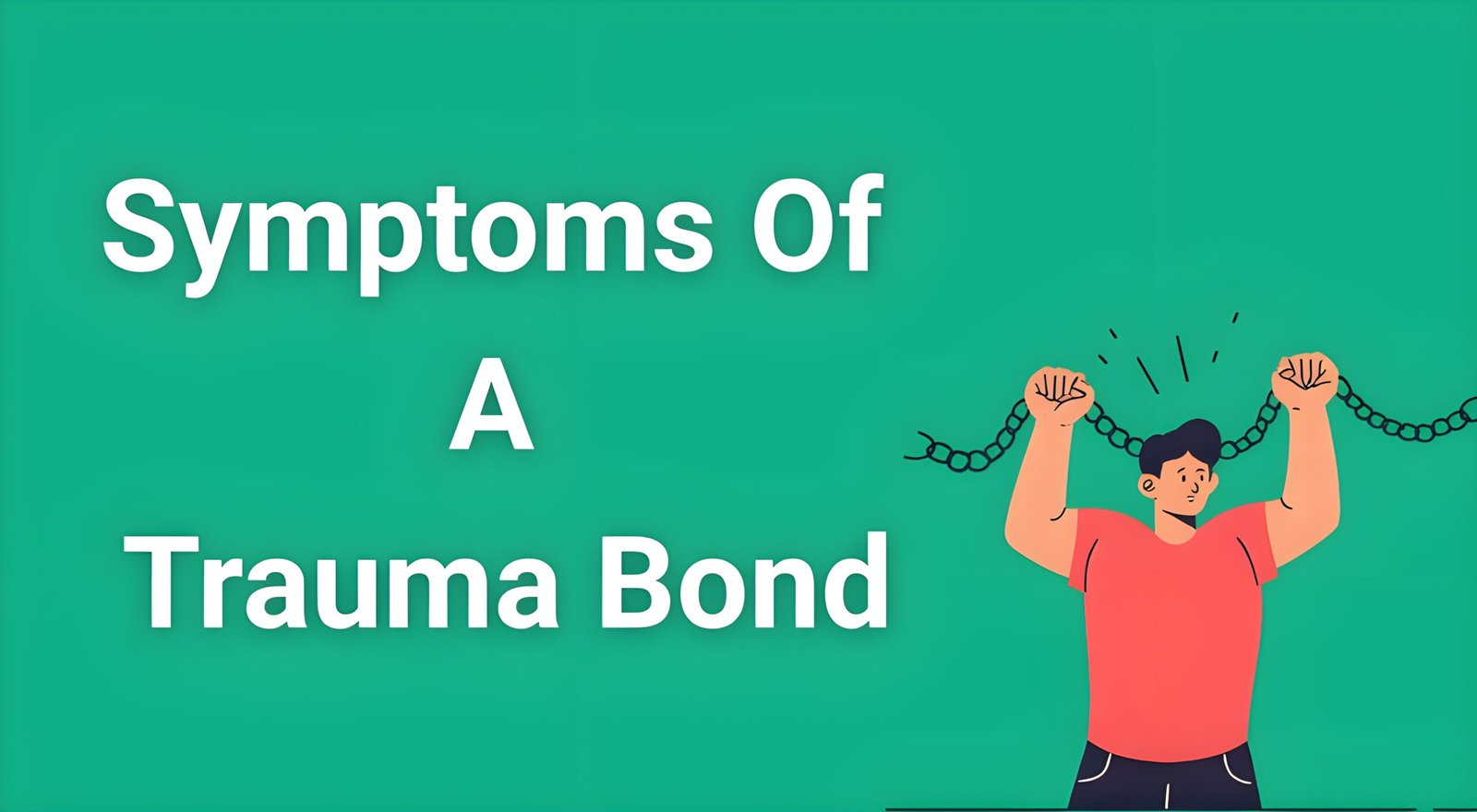
Most trauma bonds move through the same seven stages, and knowing them helps you spot where you are in the cycle. The stages were described in clinical writing on trauma bonding and are summarised clearly by the Cleveland Clinic, and they unfold like this.
Stage 1, love bombing. The relationship starts with overwhelming affection, attention, compliments, gifts, and promises. You feel chosen in a way you have never felt before. This stage is not always at the very start, it can return later as a reset after a bad period, and that return is part of what keeps the bond alive.
Stage 2, trust and dependency. Milestones rush forward. You move in quickly, share passwords, combine money, or cut back on your own friendships because the relationship feels so intense that everything else fades. You start to depend on them emotionally, financially, or socially, often without noticing the shift.
Stage 3, criticism and devaluation. The compliments turn into criticism. Jokes at your expense, comparisons to other people, and small corrections that make you feel less sure of yourself. You start working harder to win back the version of them from stage 1, and that effort is exactly what the cycle needs from you.
Stage 4, gaslighting and manipulation. Your memory and your perceptions are challenged. That never happened. You are too sensitive. You are remembering it wrong. You start to doubt your own mind, and you start to rely on them to tell you what is real. Our guide on love bombing then silent treatment shows how the warmth and the cold work together as one tactic, not two separate problems.
Stage 5, giving up and resignation. You feel defeated and exhausted. You stop fighting back and start walking on eggshells, managing their moods, and keeping the peace. You tell yourself this is just how relationships are, and you stop mentioning the bad parts to anyone.
Stage 6, loss of self. Your confidence dissolves. You give up hobbies, opinions, and friendships that used to matter to you. Decisions feel impossible without their approval. You look in the mirror and struggle to recognise the person looking back.
Stage 7, emotional addiction. The cycle is now self sustaining. You cling to small moments of peace and kindness, and the apologies that follow each bad episode feel like proof that change is coming. The bond feels like love because it feels so intense, and intensity is easy to mistake for depth.
Not every bond passes through all seven stages in order, and some move faster than others. A bond can form in weeks with a new partner, or over decades with a parent. The stages are a map, not a timetable, and recognising even two or three of them in your own life is enough reason to take the pattern seriously.
Trauma Bond Vs Healthy Love, How To Tell The Difference
The most common question people ask after reading trauma bonding examples is whether what they feel is love or a bond built on harm. The table below gives the clearest answer, because love and a trauma bond look similar from the outside and feel very different from the inside.
| Trauma bond | Healthy love | |
|---|---|---|
| Pace | Intense and rushed, love bombing early, big promises within weeks | Steady and gradual, trust builds over time |
| Safety | You feel afraid of their moods, you walk on eggshells | You feel safe to disagree, to rest, and to be yourself |
| Highs and lows | Extreme swings, euphoria after apologies, dread before the next blow up | Mostly steady, disagreements happen but do not feel dangerous |
| Kindness | Unpredictable, arrives after harm, feels like a reward you must earn | Consistent, not used as payment for good behaviour |
| Conflict | Blame, denial, gaslighting, silent treatment, threats | Repair, apology followed by changed behaviour, honest conversation |
| Identity | You lose yourself, your friends, your opinions, your confidence | You keep yourself, your friendships, and your sense of who you are |
| Boundaries | Boundaries cause guilt, panic, or punishment | Boundaries are respected, even when they are inconvenient |
| Leaving | Leaving feels impossible, terrifying, or like betrayal | Leaving is sad but imaginable, and staying is a choice |
| Power | One person holds the power and the other adapts | Power is shared, both people can say no |
| After a fight | You apologise for things you did not do, and hope the good version returns | Both people own their part, and the pattern actually changes |
Read the table slowly and notice which column feels more familiar. If the left column describes your relationship, that is not a verdict on your worth. It is information, and information is what lets you choose differently.
21 Trauma Bonding Examples In Real Life
The examples below are composite scenes drawn from the patterns therapists describe and survivors report, with names changed and details blended so no single person is identified. Each one names the mechanism at work, because the mechanism is what you need to recognise, not just the story. The first seven are about romantic partners, then parents and family, then friends, then bosses and workplaces, then groups.
Trauma Bonding Examples With A Romantic Partner
Example 1, the apology that erases the fight. He screams at you for twenty minutes because dinner was late, calls you useless, and slams the bedroom door. An hour later he is crying on the kitchen floor, holding your hands, saying he is terrified of losing you and he does not know why he gets like this. You comfort him. By morning, the fight feels like something that happened to both of you, not something he did to you. The mechanism is the cycle itself, harm followed by remorse so intense that it feels like love, and the cost is that nothing changes, because the apology replaces the change.
Example 2, the good week that resets the clock. Every six weeks, like clockwork, she becomes the woman you married again. She cooks your favourite meals, plans a weekend away, tells you that you are the best thing that ever happened to her. You think, maybe this time it will last. Two weeks later the criticism returns, then the silent treatment, then the blow up. The mechanism is intermittent reinforcement, the good week arrives just often enough to keep you hoping, and the cost is that you measure the relationship by its best days and excuse its worst ones.
Example 3, the phone check that becomes a leash. He asks to see your phone “because couples should have no secrets”, and when you hand it over he scrolls through your messages and questions a friendly reply from a colleague. You feel humiliated, and then he says he only does it because he loves you so much and he is afraid of losing you. You start deleting messages before he can see them, and then you feel guilty for hiding things. The mechanism is control framed as love, and the cost is that you police yourself so he does not have to.
Example 4, the money trap. She earns more than you, and slowly all the money flows through her account. She gives you an allowance, questions every purchase, and calls you ungrateful when you ask for more freedom. Then she surprises you with an expensive gift and says, see, I take care of you, nobody else would do this for you. You feel grateful and trapped at the same time. The mechanism is financial dependency mixed with generosity, and the cost is that leaving feels impossible because you have no money of your own to leave with.
Example 5, the breakup that never sticks. You leave on a Sunday, block his number, and feel free for the first time in months. On Wednesday he sends a long message about how he has started therapy, how he finally understands, how he will change. On Thursday he is outside your building with flowers. By Saturday you are back together, and within a month the same fight is happening again. The mechanism is hoovering, the pull back after a separation, and the cost is that each return makes the next exit harder, because you have already spent the courage once.
Example 6, the comparison that shrinks you. He tells you his ex was better in bed, funnier, more grateful, and then says he is only being honest because he wants you to improve. When you cry, he says you cannot take a joke. When you try harder, he finds a new comparison. You start to believe you are lucky he stays. The mechanism is devaluation, and the cost is that your self worth becomes something he hands out and takes away.
Example 7, the public charm and private cruelty. At dinner parties he is warm, funny, and attentive, and your friends tell you how lucky you are. In the car home he tells you that you embarrassed him, that you talked too much, that nobody likes you as much as you think. You smile at the next party and wonder if your friends would believe you if you told them. The mechanism is the split public and private self, and the cost is isolation, because the person everyone else sees is not the person you live with.
If several of these trauma bonding examples felt like scenes from your own life, you do not need to wait for one more bad week to prove it. The Trauma Bond Breaker Bundle gives you a step by step plan to name the cycle, steady your thinking, and start loosening the bond instead of waiting for the next good week to save you.
Trauma Bonding Examples With A Narcissistic Parent
Example 8, the mother whose love has conditions. Your mother tells you she is proud of you at Sunday lunch, in front of the whole family, and you feel ten years old again, glowing. On Monday she calls to say she is disappointed in your life choices, that you are selfish, that after everything she sacrificed, this is how you repay her. You spend the week trying to earn back Sunday. The mechanism is conditional affection, and the cost is that as an adult you still organise your life around winning a parent’s approval that never stays won. Our guide on how to deal with a narcissistic mother covers this dynamic in detail, including how to set boundaries without the guilt spiral.
Example 9, the golden child and the scapegoat. Your brother can do no wrong. He drops out of college, and your father calls it finding himself. You get a promotion, and your father asks why you cannot be more like your brother, more relaxed, more fun. You work harder, achieve more, and the praise always lands on him. The mechanism is favouritism as control, and the cost is that you spend your adult life trying to earn love from a parent who has already decided who deserves it.
Example 10, the guilt ledger. Every disagreement ends with the same sentence, “After everything I have done for you.” The sacrifices are listed like a bill, the sleepless nights, the money, the opportunities given up. You feel selfish for wanting anything of your own, and you apologise for having needs. The mechanism is guilt as a leash, and the cost is that you learn to confuse obedience with love, and you carry that confusion into every relationship after.
Example 11, the parent you must protect. Your father drinks, rages, and then weeps about his own childhood, and you, at twelve years old, become the one who comforts him. As an adult, you still rush to soothe him after every outburst, and you feel disloyal when you think about distance. The mechanism is parentification, the child becoming the parent’s caretaker, and the cost is that you learned to earn safety by managing someone else’s emotions, which is the exact skill a trauma bond runs on.
Trauma Bonding Examples With A Friend
Example 12, the friend in permanent crisis. Every time you make plans, she calls with an emergency only you can solve. If you say no, she goes silent for days, and you feel like a bad friend. When you drop everything to help, she is warm and grateful, and tells you that you are the only person who truly understands her. The mechanism is guilt plus gratitude on a loop, and the cost is that your own life keeps shrinking around her emergencies.
Example 13, the friend who shares your secrets. You tell him something private, and a week later it comes back to you from someone else, dressed up as a joke. When you confront him, he apologises so sincerely that you feel cruel for bringing it up, and he promises it will never happen again. Three months later it happens again, with a different secret. The mechanism is betrayal followed by remorse, and the cost is that you stop trusting your own judgement about who is safe.
Example 14, the friend who decides who you can like. She tells you your other friends are toxic, jealous, or using you, and she says it with such concern that it feels like protection. Slowly your circle shrinks to just her, and then she tells you that you are lucky to have her, because nobody else would put up with you. The mechanism is isolation, and the cost is that by the time you notice the pattern, there is nobody left to tell.
Example 15, the competition disguised as friendship. Every achievement you share gets topped. You get a promotion, she mentions her bigger one. You lose weight, she mentions her new diet. You feel drained after every conversation, and also afraid to lose her, because she was there during your hardest year and she reminds you of it often. The mechanism is conditional closeness, warmth that arrives when you are struggling and vanishes when you are thriving, and the cost is that you start hiding your good news from the people closest to you.
Trauma Bonding Examples At Work
Example 16, the boss who yells and then praises. Your manager humiliates you in a meeting, in front of the whole team, over a mistake that was not yours. The next day she calls you into her office, tells you that you are her most talented person, and gives you the lead on a big project. You feel proud and grateful, and you tell yourself the yelling was just passion. The mechanism is the same cycle as at home, harm then reward, and the cost is that you stay in a job that damages your health because the praise feels like proof you are valued.
Example 17, the boss who makes you indispensable and trapped. He tells you that the team would fall apart without you, that you are the only one he trusts, and then he piles on the work of two people and denies your holiday requests because the timing is bad. When you mention another job, he says the new place would never appreciate you like he does, and offers a small pay rise that never quite arrives. The mechanism is dependency plus flattery, and the cost is burnout, because you cannot rest without feeling disloyal.
Example 18, the colleague who takes credit and apologises. Your coworker presents your work as his own in front of the director, and when you confront him privately, he is devastated, says he is under terrible pressure, and promises to credit you next time. Next time it happens again, and the apology is even better. The mechanism is exploitation softened by remorse, and the cost is that your career stalls while you keep forgiving the person standing on it.
Trauma Bonding Examples In Groups And Cults
Example 19, the group that loves you and fears outsiders. A community welcomes you warmly, gives you belonging you have craved for years, and then slowly teaches you that everyone outside the group is dangerous, misguided, or jealous. When you question a rule, you are told you are being tested, and when you stay, you are praised for your loyalty. The mechanism is belonging plus fear of the outside world, and the cost is that leaving means losing every friend you have at once.
Example 20, the leader who is the only source of truth. The leader’s word overrides your own eyes. When something does not add up, you are told your understanding is limited, and when you accept the explanation, you are rewarded with closeness to the leader. Doubt feels like betrayal, and certainty feels like love. The mechanism is authority plus intermittent approval, and the cost is that you hand over your own judgement to someone who benefits from keeping it.
Example 21, the family business that owns your loyalty. You work in the family firm, you are told the business is the family and the family is the business, and every attempt to set a boundary is treated as disloyalty to your own blood. Praise comes when you sacrifice, silence comes when you ask for fairness, and you stay because leaving would mean losing your family, your job, and your identity in one move. The mechanism is enmeshment, where love, work, and identity are fused together, and the cost is that you cannot tell where the job ends and you begin.
If you recognised yourself in more than one of these trauma bonding examples, that does not mean every relationship in your life is a trauma bond. It means the pattern is worth naming, because naming it is the first step to loosening it. A single example can be a bad week. Five or six of them, repeated over months, is a pattern, and patterns are what this article is here to help you see.
Why Is It So Hard To Leave A Trauma Bond?
The direct answer is that a trauma bond is held in place by your nervous system, not just your thoughts, so willpower alone rarely breaks it. You can know the relationship is harming you and still feel unable to leave, and that gap is not a character flaw. It is the bond doing its job.
Four forces keep people in place. The first is intermittent reinforcement, the unpredictable rewards we described above. Psychologists have known for decades that unpredictable rewards create the strongest habits, stronger than rewards that arrive every time. A slot machine pays out rarely and unpredictably, and that is why it is so hard to walk away from. A trauma bond works the same way, and the good moments are the payout.
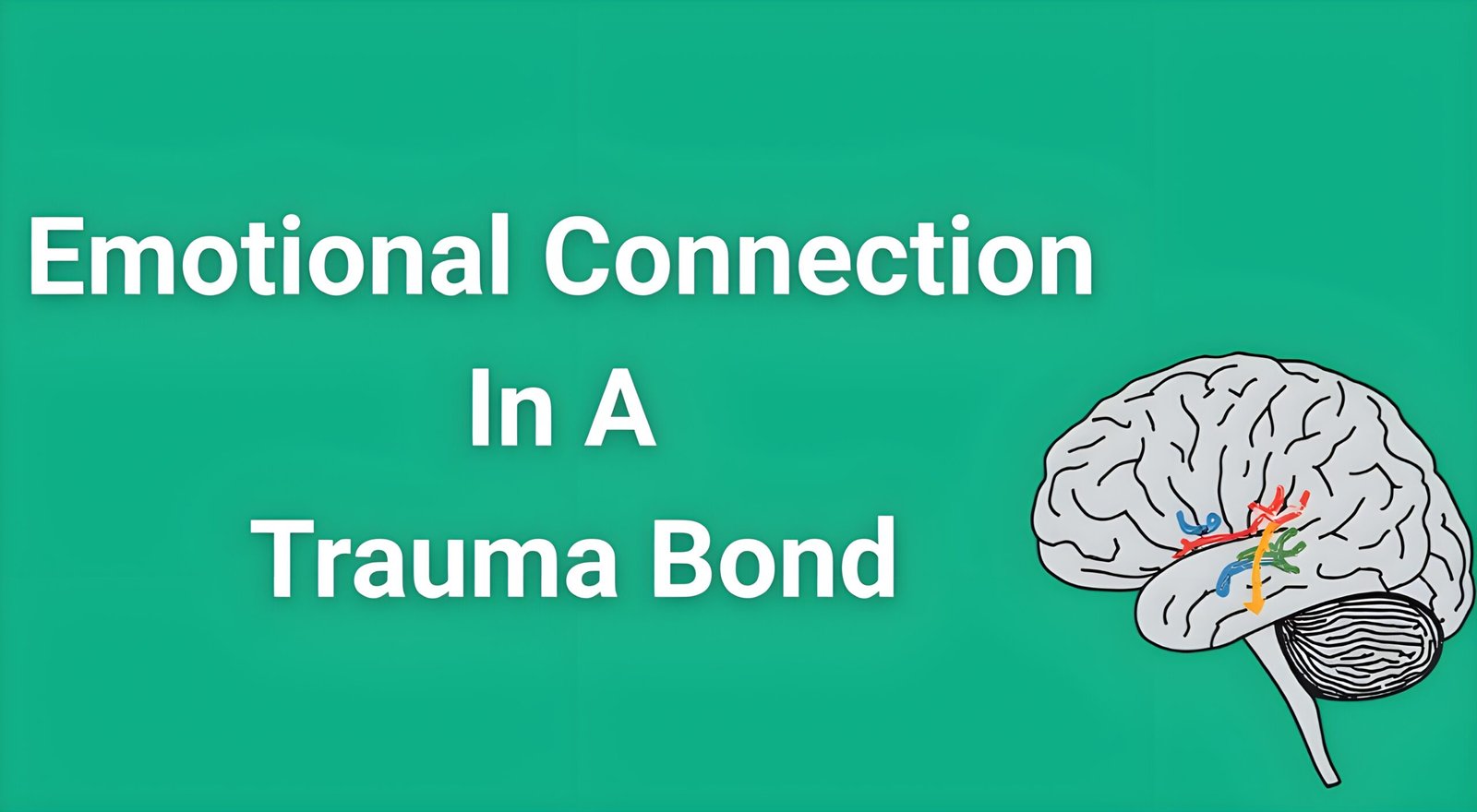
The second force is brain chemistry. After fear or conflict, even small acts of affection can trigger a release of dopamine, the chemical linked to reward and craving, and physical closeness can trigger oxytocin, the chemical linked to bonding. Your body learns to crave the relief that follows the harm, and that craving can feel exactly like love. Healthline explains this clearly in its guide to trauma bonding, describing how the cycle of abuse, apology, and affection creates a chemical loop that keeps people attached. You can read their full explanation in the Healthline guide to trauma bonding, which covers the freeze response and the hormone loop in plain language.
The third force is the freeze and fawn response. Most people know fight or flight, but under threat the body has two more options, freeze, which means going still and quiet, and fawn, which means appeasing the threatening person to stay safe. If you grew up in a home where appeasing an unpredictable parent kept the peace, fawning may be your default, and it can feel automatic, like something your body does before your mind catches up.
The fourth force is identity. After months or years inside the cycle, the relationship becomes part of how you see yourself. Leaving means grieving not only the person but the future you imagined, the family you wanted, the version of yourself that believed the good days were the real ones. That grief is real, and it is one of the reasons people go back, because going back postpones the grief, even though it also postpones the healing.
If you have left and gone back, that is not failure. Many people leave several times before they leave for good, and each attempt teaches you something about what you need to make the next one hold. What matters is not the number of attempts, it is what you change between them.
How Do You Break A Trauma Bond?
Breaking a trauma bond is a process, not a single decision, and it works best as a sequence of small, steady steps rather than one dramatic exit. The steps below are drawn from what trauma informed therapists recommend, and they are written for real life, where money, children, housing, and safety all matter.
Step 1, name the pattern out loud. Write down what happens before, during, and after each bad episode, with dates. Keep the notes somewhere safe, outside the home if you need to. Writing breaks the fog, because the cycle depends on you forgetting the bad parts when the good parts arrive. Your notes will not forget. If you want a fuller breakdown of the signs to check your notes against, our guide on 7 signs you are trauma bonded, not in love gives you a clear checklist.
Step 2, get one outside perspective. Tell one trusted person the unedited version, or speak to a therapist who understands trauma bonding. Isolation is the bond’s best friend, and a single outside voice saying “that is not okay” can break months of self doubt. Choose someone who will believe you without needing a perfect case, and who will not pressure you to leave before you are ready.
Step 3, build a safety plan before you act. If you live with the person, or if they have threatened you, plan first and announce later. A safety plan covers where you will go, who you will call, where your documents and money are, and what you will do if they show up. Therapists at the Cleveland Clinic recommend exactly this sequence, writing things down, getting outside perspective, reconnecting with yourself, and creating a safety plan, and their full advice is in the Cleveland Clinic guide to trauma bonding.
Step 4, create distance, even if it is partial. Full no contact is the fastest way to weaken a bond, because every contact resets the cycle. If children, work, or a shared home make full distance impossible, use structured contact instead, short messages, only about logistics, no personal conversation, no late night calls. Distance is not cruelty. It is the space your nervous system needs to stop confusing relief with love.
Step 5, expect withdrawal and plan for it. After distance, most people feel worse before they feel better. Cravings, intrusive thoughts, dreams about the person, and a powerful urge to check their social media are all normal. They are withdrawal symptoms, not proof that you made a mistake. Plan for the hard evenings in advance, a friend to call, a walk, a journal, a meeting, anything that keeps your hands and your mind busy until the wave passes.
Step 6, rebuild the self the bond took. The bond shrank your world, so healing means growing it back. Return to one hobby, one friend, one routine that was yours before the relationship. Rebuilding does not have to be dramatic. Small, repeated acts of choosing yourself are what restore trust in your own judgement.
Step 7, get professional support for the trauma underneath. Trauma informed therapy, including trauma focused cognitive behavioural therapy and EMDR, can help you process what happened and build new patterns. A therapist can also help you spot the early signs of a trauma bond in future relationships, so the pattern does not repeat with a new person. If cost is a barrier, many therapists offer sliding scale fees, and support groups, in person or online, can be a strong starting point. Our step by step guide on how to break a trauma bond with a narcissist walks through the no contact and rebuilding stages in more detail.
One warning that matters: couples therapy is not recommended where abuse or coercive control is present, because it can increase risk and silence the person being harmed. If a therapist suggests joint sessions while the cycle is still active, find a therapist who understands trauma bonding first.
What Happens After You Leave A Trauma Bond?
Leaving is the beginning of healing, not the end of the bond. The bond can linger for weeks or months after the relationship ends, and knowing what to expect makes it easier to survive.
The first thing most people notice is withdrawal. You miss them, not the version who hurt you, but the version who was kind, the one from the good weeks. You check their social media, you reread old messages, you dream about them. This is your nervous system looking for the reward it was trained to expect. It passes, but it passes faster when you do not feed it, so block, mute, and delete where you can, and ask a friend to hold you accountable on the hard nights.
The second thing is hoovering. Hoovering is the attempt to suck you back in once you start to heal, and it often arrives exactly when you feel stronger. A sudden apology, a crisis, a message that they have changed, a gift, a mutual friend passing on a message. Sometimes it is warm, sometimes it is angry, sometimes it is both in the same week. The content does not matter as much as the timing, because hoovering is designed to arrive when your resolve is building. The best response is no response, because any reply, even an angry one, tells them the door is still open.
The third thing is grief that confuses other people. You may grieve a person who hurt you, and friends may not understand. That grief is real. You are grieving the good version, the future you imagined, and the years you spent hoping. Let yourself grieve without turning the grief into a reason to go back. Grief is the price of leaving, not proof that leaving was wrong.
The fourth thing is a slow return of yourself. It happens quietly. One morning you make a decision without checking what they would think. You laugh at something without guilt. You sleep through the night. You realise you have gone a whole day without thinking about them, and then a whole week. Healing is not a straight line, and bad days will still come, but the bad days get further apart, and the good days start to belong to you instead of to the cycle.
The Truth About Trauma Bonding Examples
Every one of the trauma bonding examples in this article points to the same truth. A trauma bond is not love that went wrong, it is a cycle that was built to keep you in place, and the intensity you feel is the cycle, not the connection. Love does not require you to shrink, to apologise for existing, or to earn kindness by surviving cruelty. Love is steady, it respects your boundaries, and it leaves you more yourself, not less.
If you saw yourself in these pages, you have already done the hardest part, which is seeing the pattern clearly. The next part is slower and steadier, distance, support, and small daily choices that put you back at the centre of your own life. You do not need the person who hurt you to admit anything, apologise, or change before your life gets better. You need a plan, a safe person, and the willingness to believe your own notes over their promises.
You have read the examples, you can see the pattern, and now you need a plan that actually gets you out. The Survival Workbook gives you exact words for the hard conversations, a way to document what is happening, and a steady plan to protect your peace while you break free for good.
Frequently Asked Questions
What is trauma bonding?
Trauma bonding is a strong emotional attachment that forms between a person and someone who causes them harm, built by a repeating cycle of abuse followed by kindness, apology, or relief. The term was first described by psychologist Dr. Patrick Carnes in 1997. It is not a formal diagnosis in the DSM-5, it is a description of a pattern, and the pattern is held in place by intermittent reinforcement, which means the kind moments arrive unpredictably, so you keep waiting for the next one.
What are examples of trauma bonding?
Examples of trauma bonding include a partner who screams at you and then cries and apologises so intensely that you comfort him, a parent whose praise arrives only when you obey and vanishes when you set a boundary, a boss who humiliates you in a meeting and then calls you their most talented person the next day, a friend who shares your secrets and then apologises so sincerely that you feel cruel for bringing it up, and a group that gives you belonging and then teaches you to fear everyone outside it. In every case, harm is followed by kindness, and the kindness keeps you in place.
What is trauma bonding in a relationship?
Trauma bonding in a relationship is an attachment that forms when a partner alternates between harm and affection, so the person being harmed becomes more attached instead of less. It usually starts with love bombing, then moves through trust and dependency, criticism, gaslighting, resignation, loss of self, and emotional addiction. The relationship feels intense and passionate, but the intensity comes from the cycle of fear and relief, not from safety, respect, or mutual care.
How does trauma bonding happen?
Trauma bonding happens through a repeating cycle. First comes love bombing or a period of intense affection that builds trust fast. Then comes criticism, control, or abuse, which creates fear and confusion. Then comes an apology, a gift, or a kind period that brings relief. Because the relief arrives unpredictably, your brain learns to chase it, and the bond strengthens with each cycle. Power imbalance, isolation, and a history of unpredictable care in childhood can all make the bond form faster.
Why does trauma bonding occur?
Trauma bonding occurs because the human nervous system is wired to seek safety from the people closest to us, even when those people are the source of the danger. When harm is followed by kindness, the brain links the two, and relief starts to feel like love. Brain chemistry plays a part too, because affection after fear can trigger dopamine and oxytocin, the chemicals linked to reward and bonding. It is a survival response, not a choice, and it is not a sign of weakness.
What does a trauma bond feel like?
A trauma bond feels like love and fear living in the same room. You think about the person constantly, you feel euphoric when they are kind and panicked when they go quiet, you defend them to people who love you, you blame yourself for their behaviour, and you feel unable to leave even though you know the relationship is harming you. Many people describe it as an addiction, because the craving for the next good moment feels physical, and the bad days feel like withdrawal.
What are the signs of trauma bonding?
The signs of trauma bonding include defending the person who hurts you, making excuses for their behaviour, feeling unable to leave, blaming yourself for their moods, thinking about them constantly, feeling intense relief when they are kind again, losing touch with friends and family, feeling guilty when you set a boundary, and believing you cannot survive without them. If several of these signs are present and the pattern has lasted for months, it is worth speaking to a trauma informed therapist.
What is the difference between trauma bonding and bonding over trauma?
Trauma bonding means you are bonded to the person who caused the harm, and the bond is maintained by the cycle of harm and kindness. Bonding over trauma means two people grow close because they went through something hard together, like surviving the same difficult experience or supporting each other through a loss, and neither person caused the other’s pain. The first bond keeps you in the place that hurt you, the second can be a healthy source of support and healing.
Is trauma bonding bad?
Yes, trauma bonding is harmful, because it keeps a person attached to someone who repeatedly hurts them, and it makes leaving feel impossible. It is linked to anxiety, low self worth, loss of identity, isolation, and symptoms of post traumatic stress. The bond itself is not a diagnosis and it is not your fault, but the pattern needs to be broken, because staying inside it costs you your health, your confidence, and your freedom.
How do you break a trauma bond?
You break a trauma bond by naming the pattern, writing down what happens with dates, getting an outside perspective from a trusted person or therapist, creating a safety plan, creating distance through no contact or structured contact, expecting withdrawal and planning for the hard evenings, rebuilding the parts of your life the bond took, and getting professional support for the trauma underneath. It is a process that takes weeks or months, not a single decision, and it works best with support, not alone.
How long does a trauma bond last?
A trauma bond can last from weeks to decades, depending on the relationship, and the bond can linger for weeks or months after the relationship ends. How long it takes to break depends on the severity of the harm, how long the cycle ran, whether you have distance and support, and whether you get professional help. Withdrawal feelings are normal in the early weeks, and they pass faster when you do not feed them with contact or checking their social media.
What is the difference between a trauma bond and love?
The difference between a trauma bond and love is safety and steadiness. Love is consistent, it respects boundaries, it leaves you more yourself, and disagreements lead to repair and real change. A trauma bond is intense and unpredictable, it punishes boundaries, it shrinks your world, and apologies replace change instead of leading to it. If the relationship feels like a rollercoaster you cannot get off, and you feel afraid, confused, and exhausted more often than you feel safe, that is a bond built on harm, not love.