
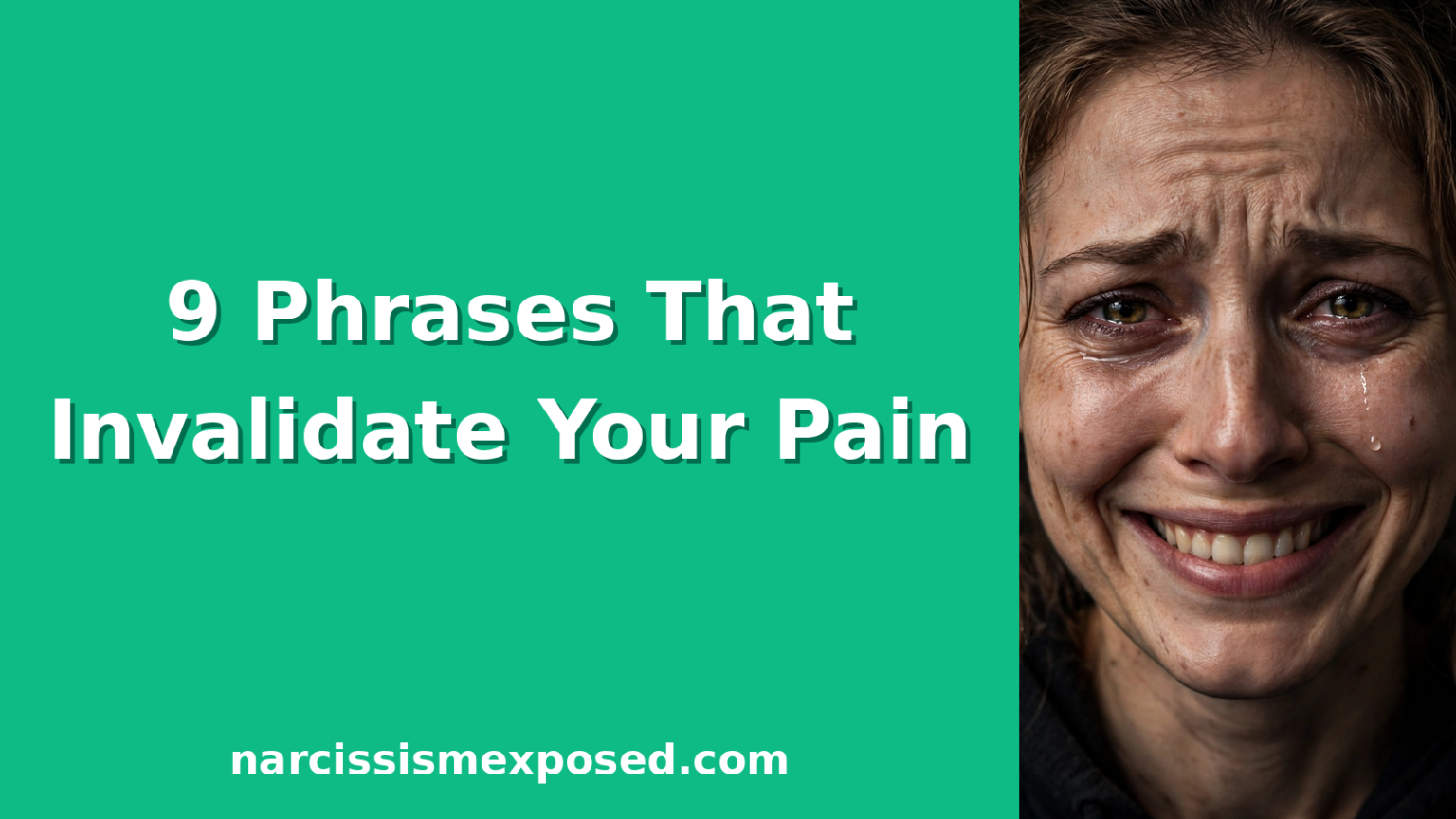
“Just stay positive.” You have heard it so many times it starts to sound like a command instead of comfort. Here is the truth: there is a difference between genuine encouragement and toxic positivity, and that difference matters more than most people realize. Toxic positivity demands that you bury real pain under a smile, treating your grief, fear, and heartbreak as problems with your attitude. Psychology Today defines toxic positivity as the act of avoiding, suppressing, or rejecting negative emotions, either in yourself or in someone else, while insisting on positive thinking instead. Verywell Mind adds that it minimizes and even denies any trace of human emotion that is not strictly happy or positive.
- 1. “Everything Happens For A Reason”
- 2. “Just Think Positive Thoughts”
- 3. “It Could Be Worse”
- 4. “Good Vibes Only”
- 5. “You Should Be Grateful”
- 6. “At Least…”
- 7. “Don’t Cry, Smile”
- 8. “Failure Is Not An Option”
- 9. “Just Move On Already”
- How To Respond When Someone Hits You With Toxic Positivity
- Frequently Asked Questions
If you are healing from a toxic or narcissistic relationship, these phrases hit even harder. You have already spent months or years having your reality denied, your feelings dismissed, and your pain reframed as your fault. So when a well-meaning friend says “at least he never hit you,” it does not land like comfort. It lands like the same invalidation you are trying to escape. That is why learning to spot toxic positivity protects your healing: it teaches you what real support actually sounds like, so you can stop accepting silence disguised as encouragement.
In this guide, you will find the 9 most common toxic positivity phrases decoded. For each one, you will learn exactly why it hurts, what the hidden message really is, and what genuine support sounds like instead. You will also get word-for-word responses you can use the next time someone throws one of these at you, plus answers to the questions survivors ask most about navigating positivity pressure while they heal.
1. “Everything Happens For A Reason”
Why this phrase hurts
This one turns your suffering into a cosmic assignment. When someone says this after your world has fallen apart, the hidden message is: stop questioning, stop grieving, accept it quietly. Maybe meaning will come later, on your own timeline. But being told your pain was pre-approved by the universe does not heal anything. It just rushes you past the grief you actually need to feel. For a survivor of emotional abuse, this phrase echoes the gaslighting you already endured: your suffering is being reframed as something you should quietly accept instead of something that was done to you.
What genuine support sounds like instead
“I don’t know why this happened to you, and it is okay to be angry about it. I am here while you figure out what comes next.” You are allowed to say, “I don’t care about the reason right now. I am hurting.” Meaning can come later, on your terms, or not at all. Nobody gets to hand you a spiritual explanation as a shortcut past your pain.
2. “Just Think Positive Thoughts”
Why this phrase hurts
As if your pain is a mindset error. This phrase suggests that if you were simply thinking better thoughts, the abuse, the loss, the betrayal would not hurt. That is not how humans work. You cannot affirm away a broken heart. Real healing involves facing dark feelings, not out-thinking them. Telling someone to “think positive” after narcissistic abuse is like telling someone with a broken leg to walk it off. Worse, it implies your suffering is your own fault for having the wrong attitude, which is the same blame-shifting you have already heard from your abuser.
What genuine support sounds like instead
“Your thoughts make sense given what you have been through. You don’t have to force yourself to feel okay about this.” Genuine support validates that your mind is responding normally to an abnormal situation. If you want to share affirmations or hopeful practices, offer them as an invitation, not a prescription: “Something that helped me was journaling in the mornings. Want me to show you?”
3. “It Could Be Worse”
Why this phrase hurts
Minimizing your pain does not erase it. Yes, technically things could always be worse. That does not mean what you are going through is not genuinely awful. This phrase shuts down your experience by holding it up against someone else’s suffering, as if pain were a competition and yours did not qualify. Your hurt is valid on its own. You do not need to earn the right to feel it by proving nobody has it worse. Survivors hear this one constantly, because emotional abuse leaves no visible bruises, so other people assume the damage must be minor. When this minimizing becomes a pattern in a relationship, it starts to function like the gaslighting responses that make you doubt your own reality.
What genuine support sounds like instead
“What you went through was really bad, and you don’t have to compare it to anyone else’s pain.” Then listen. If someone shares their own struggle to relate, that is fine, as long as your pain stays on the table too. Support sounds like: “Tell me what has been the hardest part for you.”
4. “Good Vibes Only”
Why this phrase hurts
This one turns emotions into a guest list. Sadness? Not invited. Anger? Turned away at the door. “Good vibes only” sounds like a party theme, but as a response to real pain it is a ban on being human. It tells you that your authentic feelings are unwelcome and that you should perform happiness to make others comfortable. For someone healing from a relationship where their emotions were policed, criticized, or mocked, this phrase reopens the old wound: your feelings are too much, too dark, too inconvenient. Real support makes room for the whole spectrum of what you feel, not just the pretty parts.
What genuine support sounds like instead
“Bring all of it, the messy parts too. You don’t have to be cheerful around me.” If you are the one supporting a friend, try: “I am not going anywhere, even on the hard days.” People heal in the presence of acceptance, not in the presence of a dress code for their emotions.
5. “You Should Be Grateful”
Why this phrase hurts
Gratitude and grief can exist at the same time. This phrase weaponizes thankfulness, implying that if you just focused on your blessings, your pain would vanish. But you can be grateful for your health and still be devastated by betrayal. You can love your children and still grieve your marriage. Forcing gratitude over pain does not produce healing, it produces guilt for feeling human. Two truths can live in your heart at once. Survivors are especially vulnerable here, because abusers often use the same tactic: “After everything I have done for you, this is how you act?” Gratitude becomes a leash instead of a gift.
What genuine support sounds like instead
“You can be thankful for the good things and still be furious about what happened. Both are true.” If gratitude practice genuinely helps you, keep it, but let it sit alongside your grief instead of replacing it. Try: “I am grateful for my kids, and I am grieving my marriage, and neither cancels the other.”
6. “At Least…”
Why this phrase hurts
Everything after “at least” is a dismissal. “At least he didn’t hit you.” “At least you have a job.” “At least you’re young.” The “at least” game reframes your suffering as ingratitude, and it is especially cruel when aimed at abuse survivors whose pain is invisible. Emotional abuse, manipulation, and betrayal don’t come with bruises people can see, which makes them easier for others to wave away. “At least” sentences also rank your pain against a hypothetical worse scenario, which trains you to doubt whether you even have the right to be upset. Don’t let a silver-lining sentence talk you out of your own reality.
What genuine support sounds like instead
“I am not going to try to find the bright side. I just want to hear how bad it really was.” You can also flip the script when someone says it to you: “I know you mean well, but ‘at least’ makes me feel like I am not allowed to be upset. I just need you to listen right now.” Clear, kind, and it teaches them what you actually need.
Tired of being told to just stay positive? The Survival Workbook gives you word-for-word scripts for the 12 hardest conversations, daily 15-minute exercises, and a private exit plan you build at your own pace.
7. “Don’t Cry, Smile”
Why this phrase hurts
Your tears are not the problem. Crying is your body’s way of processing what words cannot. When someone tells you not to cry, they are not helping you feel better, they are asking you to make THEM feel better by hiding your pain. Your discomfort makes them uncomfortable, so they hand you a smile like a mask and hope you put it on. There is nothing weak or wrong about tears. Many survivors were punished or mocked for crying during the relationship, so being told to smile on command can trigger the same shutdown they fought so hard to escape. The people who truly support you will hand you a tissue, not a script.
What genuine support sounds like instead
“Cry as long as you need to. I am right here.” If tears make you uncomfortable as the supporter, that is okay, you do not have to fix the crying. Just stay. Say: “You don’t have to hold it together for me.” That single sentence can be the safest thing a survivor has heard in years.
8. “Failure Is Not An Option”
Why this phrase hurts
This makes struggle feel like shame. Real life includes setbacks, endings, and seasons that fall apart. When every stumble is framed as unacceptable, you stop taking honest risks and start performing perfection. Healing from toxic relationships is messy: you will have bad days, relapses into old thought patterns, moments of doubt. That is not failure. That is the actual process. Anyone who cannot make room for your rough patches does not understand what recovery costs. For survivors, this phrase is dangerous because it mirrors the abuser’s impossible standards, the moving goalposts you could never satisfy no matter how hard you tried.
What genuine support sounds like instead
“Setbacks are part of healing, not proof you are failing. What do you need today?” Give yourself the same grace. A bad day after two good weeks does not erase your progress. Recovery is not a straight line, and nobody who truly supports you will keep score.
9. “Just Move On Already”
Why this phrase hurts
Healing is not a race with a finish line someone else sets. This is the phrase that stings the most, because it comes dressed as tough love. But “moving on” from deep hurt, from years of manipulation, from a shattered sense of self, takes as long as it takes. Being told to hurry up adds shame to your pain: now you feel bad for still feeling bad. Your timeline is yours. Nobody who has not walked through your fire gets to set the schedule for your recovery. If you are struggling with the pull to go back or the fog that will not lift, the 30-Day Trauma Bond Recovery Workbook is built specifically for that slow, steady climb back to yourself. The next time someone says it, remember: impatience with your healing says everything about them and nothing about you.
What genuine support sounds like instead
“Take all the time you need. I am not going anywhere.” Real support trusts your pace. If someone is worried about you, the caring version sounds like: “I have noticed you seem stuck lately, and I care about you. Is there anything that would help right now?” That is concern without a stopwatch.
How To Respond When Someone Hits You With Toxic Positivity
You do not have to accept these phrases in silence, and you do not have to start a fight either. Most people who say them genuinely do not know better. A calm, direct response teaches them what you need and protects your peace at the same time. Try these:
Name what you need: “I appreciate you trying to help, but right now I just need someone to listen. Can you do that for me?” This works because it assumes good intentions while redirecting clearly.
Mirror the phrase back gently: “When you say ‘just move on,’ it makes me feel like my pain is a burden. I know that is not what you mean.” Most people soften immediately when they see the impact.
Set a boundary and move on: With repeat offenders, especially family members who will not stop, keep it short: “I am not looking for advice on this, just support.” The yellow rock method gives you a full framework for staying warm and brief with difficult people without getting pulled into debates about your feelings.
Protect your energy: You are allowed to stop sharing your pain with people who keep minimizing it. HelpGuide’s guidance on supporting someone who is grieving makes the same point from the other side: real comfort comes from listening and accepting feelings, not from fixing them. Save your vulnerable shares for people who can sit with the hard stuff. If you need exact words for these conversations, the Survival Workbook includes scripts for the 12 hardest talks survivors face, including boundary-setting with dismissive family and friends.
Frequently Asked Questions
What is toxic positivity?
Toxic positivity is the demand, spoken or unspoken, that you stay upbeat and suppress painful emotions. It shows up as phrases like “just stay positive” or “good vibes only” in response to real suffering. Unlike genuine optimism, which makes room for hard feelings, toxic positivity treats sadness, anger, and grief as attitude problems to be fixed.
Is toxic positivity always intentional?
No. Most people who say these phrases mean well. They feel helpless watching you suffer, so they reach for a cheerful line to fix the discomfort, yours and theirs. The intent can be kind while the impact still hurts. That is why a calm response that teaches them what you need works better than assuming they do not care.
What is the difference between toxic positivity and genuine optimism?
Genuine optimism says, “This is hard, and I believe you can get through it.” Toxic positivity says, “Don’t feel bad about this.” The test is simple: does the response make room for your pain, or does it ask you to hide it? Optimism validates first and hopes second. Toxic positivity skips the validation entirely.
How do I respond to toxic positivity without starting a fight?
Assume good intent, name the impact, and state what you need. For example: “I know you want to help, but ‘just move on’ makes me feel rushed. I just need you to listen right now.” Short, kind, and clear. With people who keep doing it, set a firm boundary and limit how much you share with them.
Can toxic positivity slow down healing from a narcissistic relationship?
Yes. Healing from narcissistic abuse requires you to face what happened, name it honestly, and process the grief and anger that come with it. Toxic positivity pushes you to skip those steps, which keeps the pain buried instead of resolved. Survivors who are pressured to “just move on” often report feeling shame about their timeline, which adds a second wound on top of the first.
What should I say instead of these phrases to someone who is hurting?
Lead with validation, not advice. “That sounds really hard” beats “look on the bright side” every time. Offer presence instead of platitudes: “I am here, and I am not going anywhere.” Ask what they need rather than assuming: “Do you want me to just listen, or would advice help right now?”
Ready to break the cycle for good?
The 30-Day Trauma Bond Recovery Workbook walks you day by day out of the fog, rebuilds your self-trust, and gives you the exact steps survivors used to finally feel like themselves again.
Your pain is not a negativity problem. It is information, about what hurt you, what you lost, and what you need to heal. The people worth keeping close are the ones who can sit with you in the dark without rushing you toward the light. You do not need to be fixed, reframed, or positive-ed into silence. You need to be heard. And your feelings, all of them, are telling the truth.