You used to decide what to wear, who to see, and how to spend your own money without a second thought. Now you check his face before you answer a text, you cancel plans before he can object, and you apologise for things you did not do. You tell yourself he is just protective, just stressed, just passionate. But deep down you know the truth. Your world has got smaller, your confidence has got thinner, and someone else is holding the steering wheel of your life. If that sounds familiar, you are asking the right question. Narcissists and control go together, and understanding how that control works is the first step toward taking your life back.
- Why Do Narcissists Want to Control You
- Are Narcissists Controlling in Relationships
- Narcissists and Control, 7 Tactics They Use to Dominate You
- Narcissists and Control vs Healthy Behaviour
- Why Narcissists Lose Control, and What Happens Next
- Grandiose vs Vulnerable Narcissists, Different Styles of Control
- How Narcissists Control Their Children and Their Partners
- The Control Cycle and the Trauma Bond
- Can Narcissists Control Their Behaviour
- How to Take Control Back, 7 Practical Steps
- Myths vs Facts About Narcissists and Control
- Frequently Asked Questions
Control is the thread that runs through almost every narcissistic relationship. It is not always loud. Sometimes it arrives as intense love, constant attention, and a partner who wants to know everything about you because he cares so much. Sometimes it arrives as jokes that sting, rules that only apply to you, and conversations that end with you apologising for raising a problem in the first place. The pattern has a name in psychology. Narcissistic personality disorder, often shortened to NPD, is described as a pervasive pattern of grandiosity, a deep need for admiration, and a lack of empathy. Control is how that pattern is enforced day to day. Gaslighting, which means denying your reality until you doubt your own memory, is one of its sharpest tools. DARVO, which stands for deny, attack, and reverse victim and offender, is another. When you name these patterns plainly, they lose some of their power, because you can finally see the system instead of blaming yourself for every bad day inside it.
The short answer is this. Narcissists and control are linked because control protects a fragile self image. A narcissist needs admiration, agreement, and compliance to feel safe, so they use gaslighting, guilt, isolation, and shifting rules to keep you doubting yourself. The control is a pattern, not a single argument, and you can loosen it by keeping your record, reconnecting with others, and holding boundaries.
Key Takeaways
- Narcissists and control are connected by need, not by love. Control protects a fragile self image, keeps admiration flowing, and stops anyone from seeing behind the confident mask.
- The 7 tactics in this article are gaslighting, love bombing and withdrawal, guilt and obligation, isolation, financial and digital control, triangulation, and moving the goalposts.
- Control rarely starts with a shout. It starts with intensity, then small concessions, then a world that has quietly shrunk around you.
- Losing control often brings rage, smear campaigns, or a sudden return to charm. That reaction is information about the pattern, not proof that you were wrong to set a boundary.
- You do not need a diagnosis of the other person to act. If you consistently feel confused, anxious, and smaller, that is enough reason to get support and make a plan.
If the control in your relationship has left you doubting your own memory and apologising for things you did not do, you are not losing your mind, you are being gaslit. The Gaslighting Recovery Bundle gives you clear explanations, reality checks, and practical steps to rebuild trust in your own mind, one day at a time.

Why Do Narcissists Want to Control You
The direct answer is simple. Narcissists want to control you because control makes them feel safe, and without it they feel exposed. That sounds strange when the narcissist in your life seems so confident, so certain, so sure that they are always right. But confidence and security are not the same thing. A person who is genuinely secure can cope with disagreement, with being wrong, and with a partner who has a separate mind. A person with strong narcissistic traits often cannot, because their sense of worth depends on other people reflecting back the image they want to see.
Think of it this way. The narcissist has built an image of themselves as special, superior, and always right. That image is fragile. It needs constant maintenance. Admiration maintains it. Agreement maintains it. Your compliance maintains it. The moment you disagree, remember something differently, or make a choice they did not approve, the image wobbles, and that wobble feels like a threat. Control is the way they steady the image again. If they can decide what happened, what you meant, who you see, and what you are allowed to want, then the story stays the way they need it to stay.
Control also serves a second purpose. It keeps people from getting too close to the truth. A narcissist who controls the conversation controls what gets discussed. A narcissist who controls your friendships controls who might point out the pattern. A narcissist who controls the money controls whether you can leave. Each piece of control is a lock on a different door, and together they keep the relationship exactly where the narcissist wants it, with them in charge and you adjusting.
There is a third reason, and it is the one most articles miss. Control regulates the narcissist’s emotions. When they feel shame, fear, or inadequacy, and those feelings are hard for them to tolerate, they push those feelings outward. They make you feel the shame instead. They pick a fight, they go silent, they accuse you of the very thing they just did, and suddenly you are the one apologising, explaining, and trying to fix the mood. That is not an accident. It is a way of managing an inner state by changing the outer situation, and it works, which is why it keeps happening.
None of this means the narcissist sits down each morning and plans a campaign of control like a general planning a battle. Some tactics are deliberate. Many are habits, learned over years, that get rewarded because they work. You do not need to prove intent to protect yourself. You need to see the effect. If a pattern of behaviour consistently leaves you smaller, more confused, and more dependent, the pattern is the problem, whatever the intention behind it.
The Mayo Clinic describes narcissistic personality disorder as a mental health condition in which a person has an unreasonably high sense of their own importance, needs constant admiration, and has a reduced ability to empathise with others. The Mayo Clinic overview of personality disorders explains these traits plainly, and it is worth reading if you want a calm, clinical description to sit beside the emotional experience in this article. Only a qualified professional can assess whether someone meets the criteria for NPD, and this article will not diagnose anyone. You do not need a label for the other person to take your own experience seriously.
Are Narcissists Controlling in Relationships
The short answer is yes, very often, but not every controlling person is a narcissist, and not every narcissist controls in the same way. That distinction matters, because it stops you from either excusing the behaviour or reaching for the wrong explanation.
A controlling partner who is not narcissistic may still be difficult, anxious, or insecure, and may still need to change. But when you tell them clearly that their behaviour hurt you, they can sometimes hear it, feel remorse, and try to do better. A controlling narcissist is more likely to respond with denial, rage, or a rapid reversal that makes you the problem. The difference is not the size of the argument. It is what happens after it. Empathy, or the lack of it, is the engine.
Narcissistic control also tends to be broader than ordinary controlling behaviour. It is not only about one topic, like money or housework. It spreads across the whole relationship. Your opinions matter less. Your boundaries are treated as opening positions in a negotiation. Your memory is questioned. Your friends are criticised. Your successes are minimised. Your hurt feelings are treated as an inconvenience. The rules apply to you but never to them. That breadth, the same pattern showing up in many areas of life, is one of the clearest signs you are dealing with narcissistic control rather than a single bad habit.
There is also a difference between control and care, and it is worth learning to spot it, because narcissists often dress control up as care. Care asks how you feel and respects the answer. Control tells you how you should feel and punishes you for feeling otherwise. Care wants you to be safe and free. Control wants you to be safe and obedient. Care grows quieter when you are well. Control grows louder when you start to stand on your own. If you keep a simple test in mind, does this behaviour make me bigger or smaller, you will rarely go wrong.
Narcissists and Control, 7 Tactics They Use to Dominate You
The 7 tactics below are the ones that show up most often, and they rarely appear alone. They work as a system. Love bombing builds the attachment. Gaslighting bends the reality. Guilt keeps you compliant. Isolation removes your reality checks. Financial and digital control removes your practical freedom. Triangulation keeps you competing. Moving the goalposts keeps you trying. Read each one slowly, and notice which ones sound like your life. Seeing one occasionally does not prove a pattern. Seeing several, repeating over time, does.
Tactic 1, Gaslighting
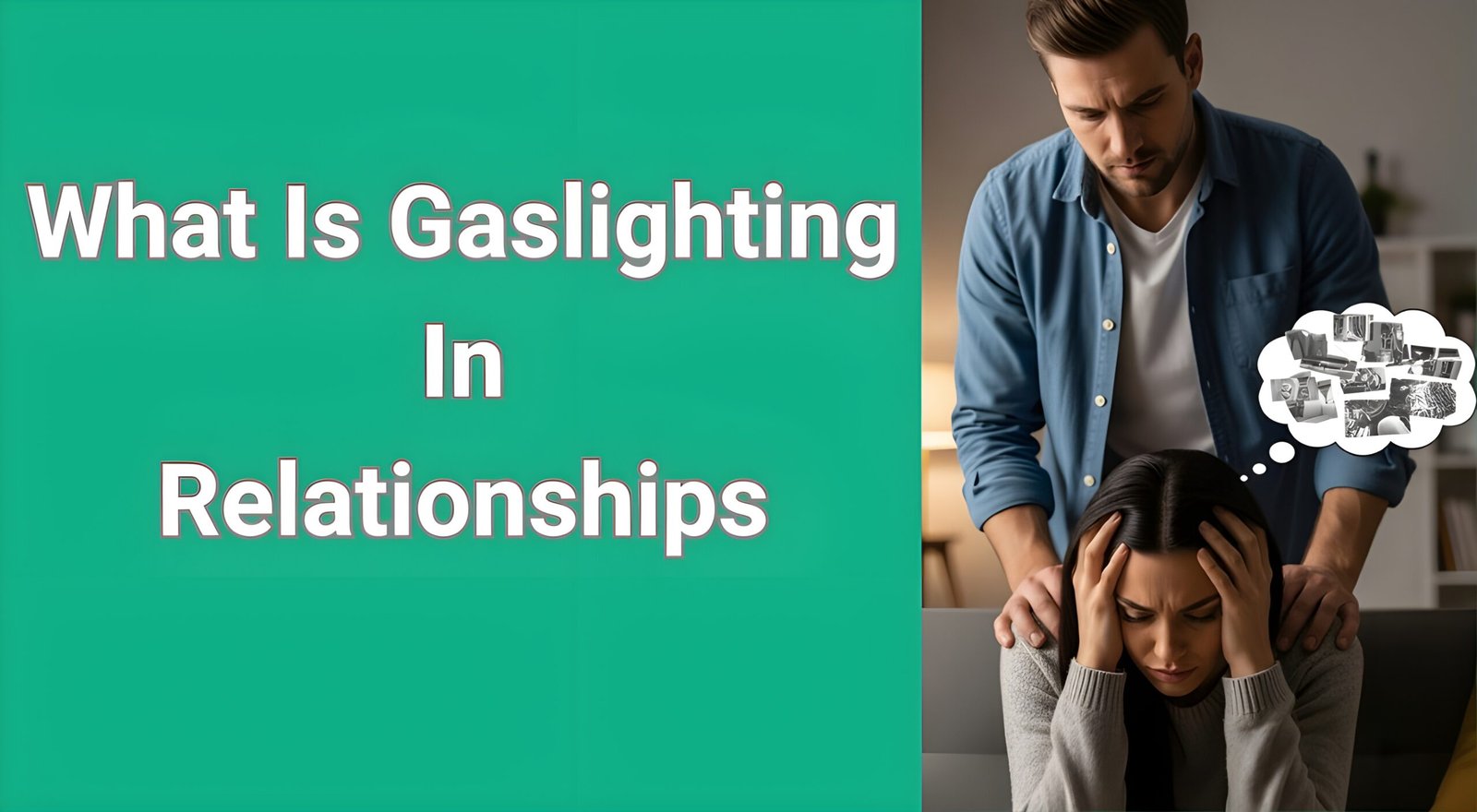
Gaslighting is the signature tactic, and it is the one that does the most damage to your trust in yourself. Gaslighting means denying things that happened, insisting you are misremembering, or telling you that you are too sensitive when you react to something hurtful. It is not a single lie. It is a steady drip of corrections to your reality, until you stop trusting your own mind and start relying on theirs.
A typical example sounds like this. You say, you shouted at me in front of the children last night. They say, I never shouted, you are imagining things, you always exaggerate. You remember the shouting clearly, but their certainty shakes you. You think, maybe I did exaggerate. Maybe it was not that bad. The next time, you do not even raise it. You have learned that raising a problem only leads to a debate about your memory, and the debate always ends with you apologising.
Gaslighting also works through trivialising. Your hurt is too much, your reaction is over the top, your feelings are a problem to be managed rather than a signal to be heard. Over time, you start to edit yourself before you speak. You rehearse conversations in advance. You run your opinions past your partner before you voice them. You preface everything with maybe I am wrong, but, even when you are describing something that plainly happened. That is not humility. That is what happens when your reality has been challenged so often that you have stopped trusting it.
The reply that protects you is short, factual, and calm. I remember what happened, and my memory is valid even if you see it differently. You do not need to win the debate. You need to stop participating in a debate about your own experience. Write the incident down privately, with the date and what was said, and keep that record somewhere they cannot reach. Your own written record is a stable reference point when your memory is challenged, and reading back your own entries from three months ago is often clarifying in a way that thinking about the relationship is not. The WebMD guide to gaslighting signs lists the same pattern of denial, trivialising, and countering, and it is a useful second opinion to read when you are doubting yourself. Our guide on how to respond to gaslighting gives you short, factual replies that hold your reality without starting a fight, and the same wording works for every tactic in this list.
Tactic 2, Love Bombing and Withdrawal
Love bombing is usually where the control starts, and it is the reason so many people stay long after the pattern turns painful. Love bombing means overwhelming affection, constant contact, grand gestures, and declarations of a once in a lifetime connection, all far faster than any new relationship warrants. It feels like being truly seen for the first time in your life. What it actually does is build a powerful emotional baseline. You learn how good the relationship can feel, and you spend the rest of it trying to get back to that version of the person.
The withdrawal is the other half of the tactic. Once you are attached, the warmth becomes unpredictable. One day you are the most important person in the world. The next day you are ignored, criticised, or treated as a nuisance. There is no clear pattern, and that unpredictability is the point. When affection is unpredictable, your brain keeps chasing the next good moment, much like a slot machine keeps a player pulling the lever. You work harder, you apologise more, you try to earn back the warmth, and each time it returns, the relief feels like proof that the relationship is worth saving.
This alternating pattern is called intermittent reinforcement, and therapists describe it as one of the most powerful drivers of attachment in human behaviour. It is also what creates a trauma bond, an emotional attachment formed through cycles of cruelty and kindness that feels impossible to break by willpower alone. The bond is not a sign of weakness. It is a predictable response to an unpredictable reward schedule, and anyone can be caught by it.
A useful test is this. If the good moments are the only reason you stay, and the bad moments keep getting explained away as stress, tiredness, or your fault, you are not in a relationship with ups and downs. You are in a cycle. Healthy love is not a prize you earn by behaving well enough. It is steady, and it does not disappear when you disagree.
Tactic 3, Guilt and Obligation
Guilt is a powerful lever, and narcissists use it constantly. After everything I have done for you. If you really loved me, you would do this. You are so selfish, thinking only of yourself. Each sentence sounds like a moral claim, but it is really an invoice. It turns a request into a debt, and it turns your refusal into a betrayal.
The guilt trap works because caring people take guilt seriously. You do not want to be selfish. You do not want to be ungrateful. You do not want to hurt someone you love. So you give in, again, and each time you give in, you teach the other person that guilt works. Over time, the guilt spreads beyond single decisions. You feel guilty for seeing friends, for spending money, for resting, for having a need at all. Your whole life becomes an apology.
The reply that breaks the trap is to separate the feeling from the fact. Feeling guilty does not mean you did something wrong. It means you were trained to feel guilty when you put yourself first. Try this sentence, and say it calmly. I can love you and still say no to this. Then hold the line. You do not need to justify a no with a long explanation. A long explanation gives the other person material to argue with. A short, kind, firm no gives them nothing to argue against.
Watch too for guilt that arrives disguised as victimhood. I gave up everything for you. Nobody else understands me. I am the only one who has ever really loved you. These statements may be sincere, and they may also be strategic. The question is not whether the person feels hurt. The question is whether their hurt is being used to make you do something you do not want to do. If the answer is yes, the guilt is a tactic, whatever the feeling behind it.
Tactic 4, Isolation
Isolation is the tactic with the highest stakes, because it removes the very people who could help you see the pattern clearly. It rarely starts with a direct order. It starts with criticism. Your friends are jealous. Your sister is toxic. Your mother never liked me. Your work friends are a bad influence. Each comment is small enough to sound like an opinion. Together, they make seeing anyone feel like too much trouble.
Isolation also works through drama and exhaustion. A fight starts before every event that matters to you, so you stop going. Your partner needs you at home, so you cancel. Your time and emotional energy are so consumed by managing the relationship that maintaining other relationships feels impossible. Before long, your world has shrunk to one person, and that person is the only source of validation, information, and comfort you have left. That is exactly the position from which control is easiest to maintain.
A narcissistic parent uses the same tactic with children, turning siblings against each other, or telling a child that the other parent is dangerous, so the child clings to the controlling parent alone. A narcissistic boss uses it at work, controlling who talks to whom, and who gets credit. The setting changes. The mechanism does not.
The counter move is small and steady. Reconnect with one person, even briefly. A coffee, a phone call, a message to a friend you have not seen in months. You do not have to disclose everything at once. Simply spending time with people who knew you before the relationship helps you recalibrate what normal treatment feels like. Every outside connection weakens the control, because every outside connection is a second opinion on your reality.
Tactic 5, Financial Control and Digital Monitoring
Money is one of the most effective tools of control, because it creates practical dependency that outlasts any emotional resolution. Financial control can look like insisting on handling all the accounts while giving you an allowance that is never quite enough. It can look like monitoring every purchase and demanding receipts. It can look like sabotaging your work, criticising your job, or creating crises on the days you have an interview or a deadline. The result is the same. Leaving becomes a logistical problem, not only an emotional one, and that logistical problem keeps people in place for years.
Digital monitoring works the same way in a newer form. Demanding access to your phone, email, or social media accounts. Installing tracking apps or using location sharing to monitor your movements. Reading your messages and then punishing you for what you wrote to a friend. Checking your search history. These are not signs of care, however they are framed. They are signs that your private space has been taken away, and a person with no private space has very little room to think, plan, or ask for help.
If money is controlled in your relationship, start quietly building a small safety net, even if it is only a separate account in your name, a trusted friend holding a small amount, or copies of important documents kept somewhere safe. You do not need to announce it. You need to know it exists. If your phone or accounts are monitored, use a device or an account the other person cannot reach, and be careful about what you search for on a shared device. Safety planning is not disloyalty. It is prudence, and it matters most in the period around leaving, which can be the most volatile time in a controlling relationship.
Tactic 6, Triangulation
Triangulation means bringing a third person into the dynamic to keep you insecure and competing for approval. It might be an ex, a coworker, a friend, a parent, or even a therapist. The narcissist praises that person in front of you, compares you to them, or reports that they agree with the narcissist about you. I wish you could be more like Sarah, she really understands me. My mother agrees that you have been overreacting lately. Everyone else thinks you are too sensitive.
The effect is to make you feel that you are losing a contest you never agreed to enter. You try harder to please, you compete for the narcissist’s approval, and you start to see the third person as a rival rather than as a fellow human being. Meanwhile, the narcissist sits at the centre of the triangle, receiving attention from both sides, and controlling the flow of information between them. It is a powerful position, and it is why triangulation is used so often.
Triangulation also works in families, where a narcissistic parent favours one child and scapegoats another, so the children compete for the parent’s approval instead of supporting each other. It works at work, where a narcissistic manager praises one employee and criticises another in public, so the team stays divided. The setting changes. The pattern is the same, and the cure is the same too. Refuse to compete. You can say, I am not going to compare myself to Sarah, and I am not going to argue about what your mother thinks. This conversation is between you and me. Then change the subject to the actual issue, or end the conversation calmly.
Tactic 7, Moving the Goalposts
The seventh tactic is the one that keeps you exhausted long after the others have done their work. Moving the goalposts means changing the rules in the middle of the game. What pleased them yesterday triggers criticism today. The standard you must meet keeps shifting, so you can never quite succeed, and you can never quite rest.
A typical example sounds like this. You cook dinner the way they asked, and they say the seasoning is wrong. You change the seasoning, and they say the meal is late. You serve it earlier, and they say you should have chosen a different recipe. Each time you adapt, the target moves. After a while, you stop trusting your own judgement entirely, because every choice you make seems to be the wrong one, and you start asking for permission before you do anything at all. That is the point. A person who cannot trust their own judgement is a person who can be steered.
Moving the goalposts also shows up as shifting the terms of an apology. You apologise for being late, and suddenly the argument is about your tone when you apologised. You fix your tone, and suddenly the argument is about something you said three months ago. The conversation never ends, because ending it would mean the narcissist accepting that the issue is resolved, and resolution would mean giving up control of the conversation.
The reply is to name the shift and stop chasing it. I notice the standard keeps changing, and I am not going to keep chasing a moving target. Let us agree on one clear expectation, in writing if needed, and I will meet that. If they refuse to agree to a clear, stable expectation, that refusal is information. It tells you that the goal was never to meet the standard. The goal was to keep you trying.
Narcissists and Control vs Healthy Behaviour
The short answer is that control and care can look similar from the outside, so a side by side comparison helps. Use this table as a reality check when you are unsure whether a behaviour is controlling or simply part of a difficult patch.
| Situation | Controlling Narcissist | Healthy Partner |
|---|---|---|
| You make plans with friends | Guilt trips you, criticises your friends, or creates a conflict so you cancel | Says they will miss you, maybe asks to meet your friends sometime |
| You disagree with their opinion | Mocks your view, dismisses it, or goes cold and distant | Engages with your view, may debate, but respects the difference |
| You set a boundary | Tests it repeatedly, calls it an attack, rages or withdraws | Acknowledges it, asks questions to understand, then respects it |
| You succeed at something | Minimises your achievement or redirects attention to themselves | Celebrates your success genuinely, without competition |
| You express hurt feelings | Accuses you of being too sensitive, denies it happened, turns it back on you | Takes responsibility, asks what you need, makes a genuine effort to change |
| You need space or alone time | Treats it as rejection, demands explanations, escalates contact | Understands and respects the need, uses the time for their own pursuits |
| You remember an event differently | Insists you are misremembering, says you are unstable or lying | Listens, compares notes calmly, accepts that two memories can differ |
If most rows in the left column sound like your daily life, you are not in a rough patch. You are in a pattern. A rough patch involves mutual stress but mutual accountability. Control involves one person consistently rewriting reality, avoiding blame, and punishing you for having needs. That distinction is worth holding onto, because it stops you from waiting for a rough patch to pass when the pattern is not going to pass on its own.
Why Narcissists Lose Control, and What Happens Next
The direct answer is that losing control often brings escalation, not reflection. When a narcissist loses control over you, the mask slips, and what shows up underneath is usually one of three things, rage, a smear campaign, or a sudden return to charm. Sometimes all three arrive in sequence, and that sequence can be confusing if you are not expecting it.
Narcissistic rage is the most frightening response. It can be loud, shouting, threats, and intimidation, or it can be cold, a long silence, a look of contempt, and a refusal to speak to you for days. The trigger is often small, a boundary, a no, a question, a plan made without permission, because the trigger is not the event itself. The trigger is the loss of control, and the rage is an attempt to get it back. Do not try to reason with rage. Step back, stay calm, and get to safety if you feel threatened. Your safety comes before any conversation, and before any hope that the other person will calm down and listen.
A smear campaign is the second response, and it is the one that hurts in a quieter, longer way. The narcissist tells friends, family, or colleagues a version of events in which you are unstable, unfaithful, ungrateful, or cruel. The story spreads, and people who once supported you start to look at you differently. The purpose is to isolate you again, and to punish you for stepping out of line, by damaging the reputation you would need to leave with your head held high. The best response is usually not to chase every rumour. Tell the truth calmly to the people who matter, keep your own record of what happened, and let your steady behaviour over time speak louder than a dramatic story told in a crisis.
Hoovering is the third response, and it is the one that pulls many people back. Hoovering means a sudden return to charm after a period of cruelty, a grand apology, a promise to change, a gift, a memory of the early days, a crisis that needs your help. It feels like the person you first fell in love with has come back, and it is tempting to believe that this time it is real. But real change shows up as sustained accountability over a long period, not as a dramatic gesture in a crisis. If the apology is followed by the same pattern within weeks, the apology was a tactic, not a transformation.
Grandiose vs Vulnerable Narcissists, Different Styles of Control
The short answer is that grandiose and vulnerable narcissists control in different ways, and recognising the style helps you see the tactic sooner. Both styles are driven by the same need for control, but they wear different masks.
| Feature | Grandiose Narcissist | Vulnerable Narcissist |
|---|---|---|
| Presentation | Loud, confident, bold, the star of the room | Quiet, sensitive, the victim of the story |
| Main control style | Direct and aggressive, intimidation, dramatic reactions, open criticism | Indirect and covert, sulking, silent treatment, guilt, smear campaigns |
| When challenged | Reacts with anger, ridicule, or domination | Withdraws, plays the victim, or punishes you with silence |
| How they keep you close | Grand gestures, promises, and intensity | Sympathy, obligation, and the fear that they cannot cope without you |
| What they fear most | Being seen as ordinary, ignored, or unimportant | Being abandoned, exposed, or left alone |
| Typical phrases | You are lucky to have me, nobody else would put up with you | After everything I have done for you, I gave up everything for you |
A grandiose narcissist is easier to spot, because the control is visible. A vulnerable narcissist is harder to spot, because the control arrives disguised as suffering, and caring people are slow to call suffering a tactic. But the test is the same for both. Does this behaviour make me bigger or smaller? Does it give me more freedom or less? If the answer is smaller and less, the style does not matter. The control does.
How Narcissists Control Their Children and Their Partners
The short answer is that the tactics are the same, but the setting changes what is at stake. In a romantic relationship, control threatens your freedom, your money, and your sense of self. With children, control also shapes how a young person learns to see themselves, and that makes it especially important to name.
A narcissistic parent may control what a child wears, who they befriend, what they study, and how they feel about the other parent. They may use guilt, I gave up everything for you, or triangulation, your brother never causes me this trouble, or moving goalposts, no grade is ever good enough. A child in that home learns to watch faces, manage moods, and hide their own needs, because their needs were treated as a burden. That survival skill becomes an adult relationship style, and it is one reason many adults who grew up with a controlling parent find themselves in controlling relationships later. The pattern feels familiar, even when it hurts, and familiarity can be mistaken for love.
Control in a partnership also affects children, even when the children are not the direct target. A child who watches one parent control the other learns that love means obedience, that anger means danger, and that their own feelings do not matter. If you are a parent in a controlling relationship, getting support is not only for you. It is for the children who are learning, every day, what a relationship is supposed to look like. Our guide on narcissistic behaviour in relationships describes the wider pattern of signs to watch for, and it is a useful next read if you want to check how many of those signs are present in your own home.
At work, a narcissistic manager controls through information, credit, and access. They take credit for your work, blame you for their mistakes, control who speaks in meetings, and punish anyone who questions them. The tactics are the same, gaslighting, triangulation, moving goalposts, and the remedy is the same too, a private record, outside witnesses, and a clear paper trail. You do not need to diagnose your boss to protect your career. You need evidence, and you need people outside the dynamic who can see it clearly.
The Control Cycle and the Trauma Bond
The direct answer is that control works as a cycle, and the cycle is what keeps people trapped long after they can see the pattern. The cycle usually moves through four phases, idealisation, devaluation, discard, and hoovering, and each phase serves the control in a different way.
In the idealisation phase, you are put on a pedestal. You are perfect, you are the only one who understands them, the future is bright and close. In the devaluation phase, criticism, contempt, and comparison creep in, often so gradually that you adjust to each small drop in treatment without noticing the total decline. In the discard phase, they go cold, withdraw, or end things abruptly, sometimes while pursuing someone else openly. In the hoovering phase, they return with apologies, promises, and a sudden burst of the old charm, and the cycle resets. Each reset feels like a fresh start. It is not. It is the same cycle, running again, and each run leaves you a little smaller than the last.
The trauma bond is the attachment that forms inside this cycle. It is not love, although it can feel like the strongest love you have ever known. It is an attachment strengthened by the very inconsistency that harms you. The relief you feel when they are kind again is intense, and it can masquerade as hope. Missing them after a cruel episode does not mean the relationship is good. It means the cycle is working as designed. The signs you are trauma bonded guide lists the signs that separate a trauma bond from love, and it is worth checking honestly, because a decision made while trauma bonded is rarely the decision you would make with a clear head.
Understanding the cycle does not make it less painful, but it does make it legible, and that matters enormously when you are trying to decide whether what you are experiencing is genuinely as bad as it feels. It is. The fog is not evidence that you are overreacting. It is a predictable result of inconsistent treatment combined with explanations that always land the blame on you.
Can Narcissists Control Their Behaviour
The short answer is that it depends what you mean by control. Can a narcissist choose to behave differently in a single moment, for example at work, in front of a boss, or in a courtroom? Often, yes. Many people with strong narcissistic traits can control their temper, their language, and their behaviour very well when the audience matters to them. That fact is important, because it shows that the behaviour is not entirely involuntary. It is selective, and selectivity is information.
Can a narcissist change the underlying pattern, the need for admiration, the lack of empathy, the fragile self image, without long term professional help and a genuine willingness to look at themselves? That is much harder, and much rarer. Meaningful change typically requires the person to recognise the pattern themselves and commit to long term work, often with professional help. Love, patience, or explaining the problem better rarely produces change on its own, so it is safer to judge by sustained behaviour over time rather than promises made during a crisis.
Can a narcissist control their emotions, their rage, or themselves in the moment? Sometimes they can, and sometimes they cannot, and the difference often depends on who is watching. If they can stay calm with a stranger, a colleague, or a judge, and only lose control with you at home, the loss of control is not a medical inevitability. It is a choice about where it is safe to lose control, and you are the safe place because you are the one who stays. That is a painful realisation, but it is also a freeing one, because it means the problem is not your behaviour. It is their choice about how to treat you.
Psych Central describes narcissistic personality disorder as a pattern of grandiosity, a need for admiration, and a lack of empathy that begins in early adulthood and shows up across many areas of life. The Psych Central guide to narcissistic personality disorder explains the pattern and its effects in plain language, and it is a helpful reference if you want to understand the clinical side without wading through a textbook. This article will not diagnose anyone, and it will not tell you whether the person in your life can change. It will tell you this. You cannot control whether they change. You can control whether you keep waiting for them to.
How to Take Control Back, 7 Practical Steps
The direct answer is that taking control back is a set of small, repeatable practices, not a single dramatic confrontation. You do not have to do them perfectly. You have to do them consistently, and you have to do them with support in place, because boundaries with a controlling person often provoke pushback.
Step 1, Keep a Private Record of Reality
Start a private journal of incidents, what was said, what happened, and how you felt, stored somewhere they cannot reach. This is not about building a case against them. It is about giving yourself a stable reference point when your memory is challenged. Use dates, keep it factual, and write it down the same day if you can. Reading back your own entries from three months ago is often clarifying in a way that thinking about the relationship is not, because the pattern is visible on the page in a way it never is in your head.
Step 2, Reconnect With One Person Outside the Relationship
Isolation is both a tactic and a vulnerability, so every outside connection weakens the control. Choose one friend, one family member, or one support group, and make contact, even briefly. You do not have to tell them everything at once. Simply spending time with people who knew you before the relationship helps you recalibrate what normal treatment feels like. A therapist, especially one familiar with narcissistic abuse or coercive control, can help you sort the pattern without pressure to make any particular decision.
Step 3, Set One Boundary About Behaviour, Not About Reality
Stop trying to win the debate about what happened. Instead, set boundaries about what you will and will not participate in, and what you will do if a line is crossed. I will not continue this conversation while voices are raised. We can talk when we are both calm. I will not discuss my friendships as a condition of staying in this relationship. I need an hour before I answer that. Then hold the line, once, and notice that the world does not end. Each held boundary teaches your nervous system that limits are survivable. Our guide on how to set boundaries with a narcissistic ex gives practical, low drama language for holding a line once you decide to draw one, and the same wording works inside a relationship too, not only after it ends.
Step 4, Protect Some Independent Money and a Private Channel
If money is controlled, build a small safety net quietly, a separate account, copies of important documents, a trusted person who knows where they are. If your phone is monitored, use a device or an account the other person cannot reach for support calls and searches. Keep your plans private until you are ready to act on them. This is not deception. It is safety, and it is the step that makes the other steps possible.
Step 5, Use Short Scripts Instead of Long Explanations
Long explanations give a controlling person material to argue with. Short scripts do not. Keep these in your pocket. I remember it differently, and I am not going to debate my memory. I can love you and still say no to this. I notice the standard keeps changing, and I am not going to chase a moving target. This conversation is between you and me, and I am not going to compare myself to someone else. Say the script once, calmly, and then stop. You do not need their agreement for your boundary to be valid. You need your own consistency.
Step 6, Get Support From People Who Understand
Control is hard to break alone, because the pattern lives in relationships, and it heals in relationships too. A therapist who understands attachment, boundaries, and coercive control can help you see the pattern faster and practise new responses safely. Support groups for narcissistic abuse give you something the relationship never did, people who understand the pattern without needing a long explanation. A support group is not a sign of weakness. It is a room full of people doing the same hard work you are doing.
Step 7, Make a Quiet Plan Before Any Big Confrontation
If you are planning to leave, or planning to set a boundary that may provoke escalation, make a quiet safety and logistics plan first. Think through documents, finances, where you would stay, who you would call, and what you would do if the other person reacted badly. The period around leaving can be the most volatile time in a controlling relationship, so a plan made calmly, in advance, is worth far more than a decision made in the middle of a crisis. If the relationship involves threats, physical harm, or fear for your safety, contact local support services or law enforcement. Your safety comes before any relationship work, and before any hope that the other person will change.
Myths vs Facts About Narcissists and Control
The short answer is that several myths keep people trapped, and naming them helps you see the pattern more clearly. Here are the ones that matter most.
Myth, if he is controlling, he must love me a lot. Fact, control is not a measure of love. Love wants you free and well. Control wants you compliant and small. Intensity is not intimacy, and jealousy is not devotion.
Myth, it is only control if he shouts or hits. Fact, the most effective control is often quiet, a joke, a sigh, a silence, a rule that only applies to you. Coercive control, which means a pattern of behaviour that isolates, frightens, and dominates another person, does not need shouting to do its damage.
Myth, if I just explain myself better, he will understand. Fact, the problem is rarely a lack of understanding. The problem is a lack of willingness to accept a reality that does not serve the narcissist. Explaining the same point for the tenth time does not fix a pattern that benefits from the confusion.
Myth, narcissists cannot help it, so I should be patient. Fact, many narcissists control their behaviour very well when the audience matters, at work, in court, or in front of people they want to impress. Selectivity shows that choice is involved, even if the underlying pattern is hard to change.
Myth, leaving will fix everything at once. Fact, leaving helps, but the pattern, the self doubt, the habit of checking faces, the fear of saying no, usually follows you into the next chapter unless it is addressed. The work is internal as well as situational, and it takes time.
Myth, only men are controlling narcissists. Fact, narcissistic control affects people of every gender, in romantic relationships, in families, and at work. Women, mothers, fathers, bosses, and friends can all use these tactics, and the signs are the same whatever the gender.
Frequently Asked Questions
Why do narcissists want to control you?
Narcissists want to control you because control protects a fragile self image and keeps admiration flowing. Control lets them decide what happened, what you meant, who you see, and what you are allowed to want, so the story stays the way they need it to stay. It also regulates their emotions, by making you carry the shame, fear, or inadequacy they cannot tolerate in themselves. The control is a pattern that serves their needs, not a measure of your worth.
Are narcissists controlling?
Yes, very often. Narcissists and control go together in most relationships with strong narcissistic traits, because control is how the pattern is enforced day to day. But not every controlling person is a narcissist, and not every narcissist controls in the same way. Grandiose narcissists tend to control openly, through intimidation and drama. Vulnerable narcissists tend to control quietly, through guilt, silence, and victimhood. The test is the same either way, does the behaviour make you bigger or smaller.
How do narcissists control people?
Narcissists control people through a system of tactics that work together. Gaslighting bends your reality. Love bombing and withdrawal create an addictive cycle of hope and fear. Guilt and obligation make refusal feel like betrayal. Isolation removes your reality checks. Financial control and digital monitoring remove your practical freedom. Triangulation keeps you competing for approval. Moving the goalposts keeps you exhausted and trying. No single tactic proves a pattern. Several of them, repeating over time, do.
Can narcissists control their behaviour?
Often, yes, in a single moment, especially when the audience matters to them, for example at work or in front of a judge. That selectivity shows that the behaviour is not entirely involuntary. Changing the underlying pattern, the need for admiration, the lack of empathy, and the fragile self image, is much harder and usually needs long term professional help and a genuine willingness to look at themselves. Judge by sustained behaviour over time, not by promises made during a crisis.
Can narcissists control their emotions and their rage?
Sometimes they can, and sometimes they cannot, and the difference often depends on who is watching. If they can stay calm with a stranger or a colleague and only lose control with you at home, the loss of control is selective, and you are the safe place because you are the one who stays. Do not try to reason with rage. Step back, stay calm, and get to safety if you feel threatened. Your safety comes before any conversation.
What happens when narcissists lose control?
When narcissists lose control, the reaction is often escalation, not reflection. You may see rage, a smear campaign, or a sudden return to charm, sometimes all three in sequence. Rage tries to frighten you back into compliance. A smear campaign tries to isolate you by damaging your reputation. Hoovering tries to pull you back with apologies and promises. Real change shows up as sustained accountability over a long period, not as a dramatic gesture in a crisis.
How do narcissists act when they lose control over you?
They often act in ways that are designed to get control back quickly. That can mean shouting, threats, or cold silence, spreading rumours about you to friends or family, or suddenly becoming the charming person you first fell in love with. The specific reaction depends on the person, but the purpose is the same, to restore the old arrangement. Knowing this in advance helps you interpret a sudden return of charm as part of the pattern rather than proof of transformation.
How do you deal with a controlling narcissist?
You deal with a controlling narcissist by rebuilding your own record of reality, reconnecting with people outside the relationship, and setting boundaries about behaviour rather than debating reality. Keep a private journal, protect some independent money and a private channel, use short scripts instead of long explanations, and get support from a therapist or a support group who understands coercive control. If you plan to leave, make a quiet safety and logistics plan first, because the period around leaving can be the most volatile time.
You do not have to earn your freedom by being good enough, quiet enough, or patient enough. If you want a steady plan for rebuilding your boundaries, your sense of self, and your freedom after a relationship that tried to control every part of you, the Narcissist Survival Workbook gives you practical steps, scripts, and a clear path forward, so the next chapter of your life belongs to you.
Control does not have to be the end of your story. It is a pattern, and patterns can be named, understood, and broken, one small step at a time. You have already taken the first step by reading this far and by asking the question honestly. Keep your record, keep your people close, keep your boundaries steady, and keep your eyes on the life you want to build, not only on the relationship you are trying to survive. Your reality is yours. Your choices are yours. And the next chapter, the one where you decide what to wear, who to see, and how to spend your own money without asking permission, is closer than it feels right now.